
In the work of Salomé Chatriot, the boundary between the biological and the mechanical doesn’t just blur – it breathes. Raised between the classical tactile world of her mother’s sculptures and the high-octane machinery of her father’s rally cars, Salomé has developed a practice that is as much an “algorithm of the brain” as it is a physical endurance. From programming interactive video games to embodying machines in high-stakes performances, her journey is a search for the “sensual part” of the digital age.
In this intimate conversation, we step into her studio – a space she describes as a living body – to discuss the “self-BDSM” of perfectionism, the transition from data-driven installations to the “brutal” reality of the female form, and why she believes that despite our obsession with precision, the human body is ultimately anything but a machine.


-
FvF
Salomé – when was the first time you realised you wanted to become an artist?
Salomé ChatriotI didn’t really have one clear moment where it clicked , but since I’m a child, really. My mum is a sculptor, with a focus on the human body, using mostly classical material – clay, bronze. She gave me silicone for my 8th birthday so I could start to mould something on my own.
My dad was a rallye driver, so I was also around machines. My parents were very loose in some aspects, and very strict in others that were more unusual: When I was a child, I painted my bedroom’s walls. I thought my mother would get mad, but instead she offered to help me.
After school, I studied interactive design, not art – a Bachelor’s degree. I then started programming video games and installations as a to then finance the art side. Only then did I pursue a Masters in Fine Art.
-
FvF
Was there a specific moment or project where you stopped seeing yourself as just a creator of installations and started identifying as a performer?”
Salomé ChatriotI definitely remember when I began considering myself a performer. The first one was very intimate, where a friend invited me to do a performance in Geneva. I did a lot of ballet as a kid. The friend asked me to move the machines – it was a machine installation. So instead of doing that I decided to embody the machine, and enable it. It was a very intuitive response to what I was working on at school.
The first installation I made was in Sao Paolo. You could breathe into the system. I was building my own protocols and electronics. The exhibition lasted two months, but during it someone broke an element in the meantime and that was it.
So I resolved that I would never do a public interactive installation again but rather interact myself with them.
But coming back to performances – in 2019 I did one performance, then one to two a year, but then, after the first Covid wave, I properly realised: I am a performer. My body is part of my art.


-
FvF
You often work with data and precise protocols. However, a body isn’t a piece of hardware. How has your personal journey impacted your work?
Salomé ChatriotA few years ago I started being interested in how the body works. In health. I stopped drinking alcohol. I was probably even too focused on health. You can get mad if you do this. I did a lot of sports – dance, yoga, pilates, you. name it. There was a time when I only ate chicken, for two weeks in a row.
I took 20 supplements. I can really understand people that turn toward esoteric remedies. But that’s not really me. I believe in emotions, very strongly, not in the Descartes paradigm – “I think, therefore I am” – as of course it’s more about intuitiveness of the body, energy. But I am not intro astrology, for example. On the opposite side, the moon makes oceans move, so I strongly believe it has an influence on us humans.
I’m interested in the body-mind communication.
I like to be alone. I am social, but not as much as I thought I was. Now I found a balance.
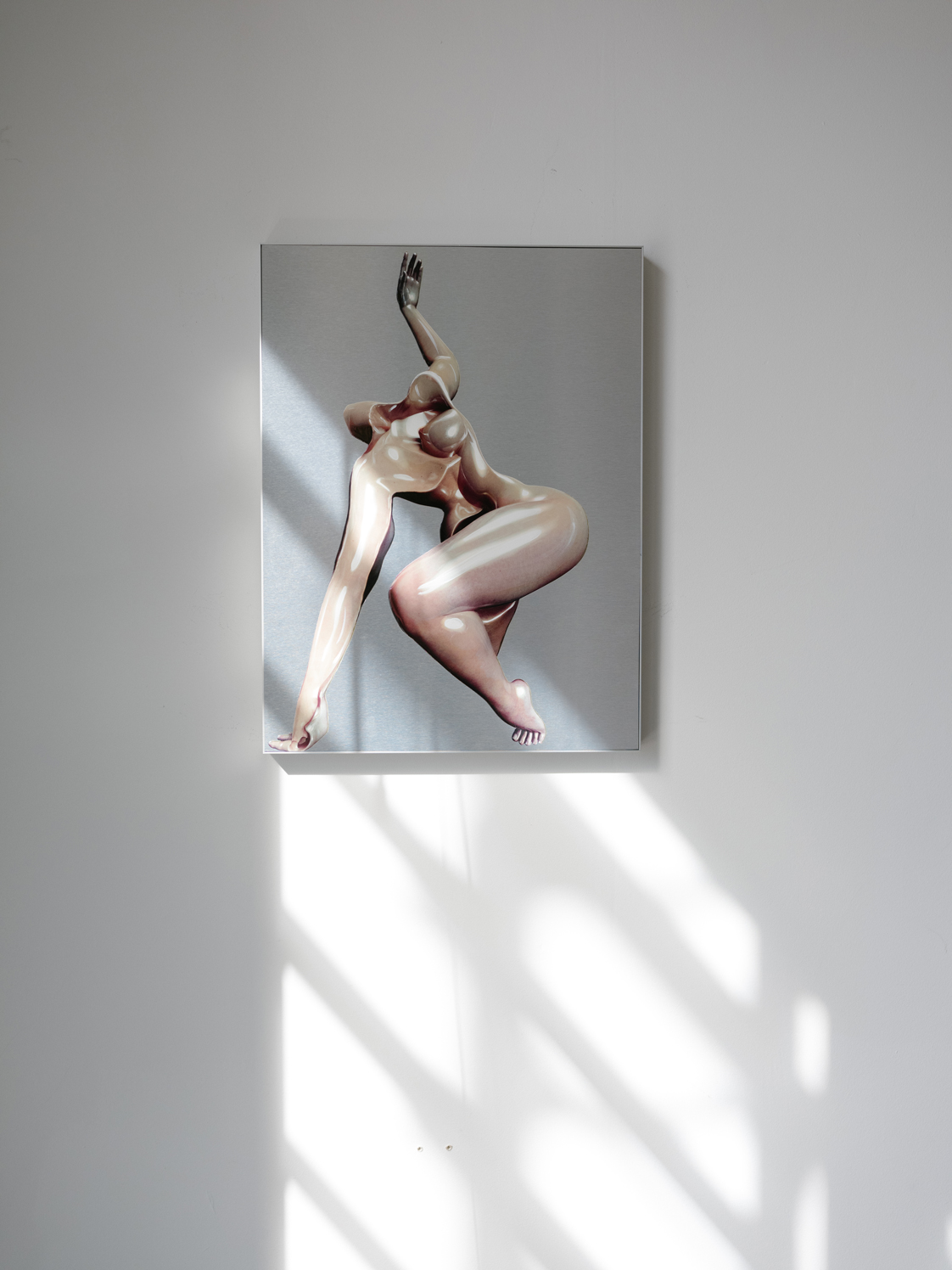
I read a lot, to be aware of what I do and who I am.With the feminine body, you have to work with what you have. Having my period, being in pain, hyperventilating, and then basically having to do the opposite when performing – than can be brutal for your body, and I feel a bit like a dancer. I took me a long time to realise this: The body definitely isn’t a machine.

-
FvF
Where do you allow yourself to be vulnerable within your creative process or life?
Salomé ChatriotFor years I’ve been trying to shut down my body’s reactions, not listening to being triggered in public. The moment I started listening to my body, I felt so relieved. I don’t try to control the emotions that much any longer. And that’s ok. You become ill when you try to suppress too much.
And of course my performances are very emotional.
-
FvF
Your work can often involve periods of intense focus or isolation. How do you actively cultivate and maintain meaningful connections and friendships?
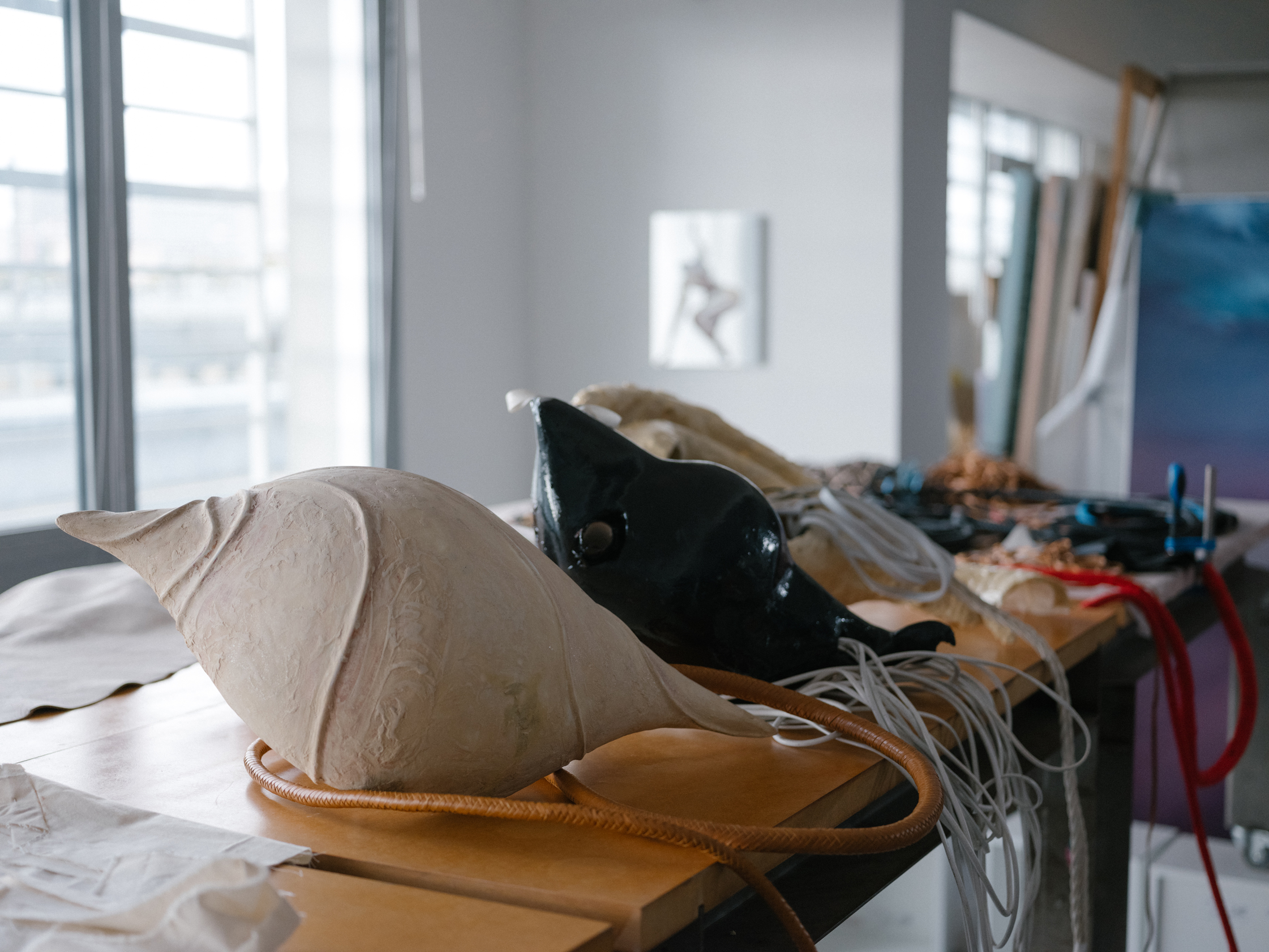
Salomé ChatriotI try to understand myself better, to be a bit more relaxed with things, and life, and I was trying to do too much for a long time. My work is so technical, and I put a lot of pressure on myself. For years my family and friendships suffered. If anyone interrupted my work I would be very angry, even if my phone rang whilst I was working, and the people on the phone didn’t even know they interrupted. I would get so mad. But then I would feel guilty, as it’s really not an appropriate reaction. But that starts a vicious cycle. Then I try to make up for it.
Now, I am working on very clear communication. I focus on cultivating more intimate friendships. Our world – the art world – is so social. I try to slow this down.


-
FvF
Beyond explicit sketches, how do you capture your fleeting, often nascent, ideas that you know will later inform your art?
Salomé ChatriotIt’s very random. I have a list of stuff, memo notes, in my phone, but also in a lot of little notebooks. None of them are finished. They are not even chronological. What really strikes me: My work is self-feeding. I have a big mind-map in my head. There are different characters, associations, a feeling, a proper reference of something I read. I never did a mind-map on paper. It’s in my head, the way I train my mind to work.
Creativity is like a muscle that you can train. I train my brain to work on shapes and associations. For example: I am currently working on the figure of Harlequin – there are versions where her own skin is sewed onto her flesh. That kind of creates an effect of a puzzle. And then in the streets you have patterns on the ground. And I instantly connect them, like a brain algorithm. It’s like an AI recognition algorithm in my brain. You can’t force having new ideas, it has to click.


-
FvF
Was there ever a time in your life when you didn’t want to be an artist any longer?
Salomé ChatriotNo! I can’t not be an artist.
I didn’t understand how to make it at first. I didn’t have any money, any galleries.
It takes a while to understand how things work, how you can make things work. It was a bit easier when I had to just earn money to buy my next batch of silicone. Everything was so narrow, the focus was easier. Now with the big picture, and bigger projects, it gets more complicated sometimes (but more exciting as well…).
If at some point I feel like taking a break from contemporary art, I would love to learn something entirely different. I would love to learn how to unlock doors. I told my brother recently, we are very similar. And my brother told me “oh, I already have a starter kit”…
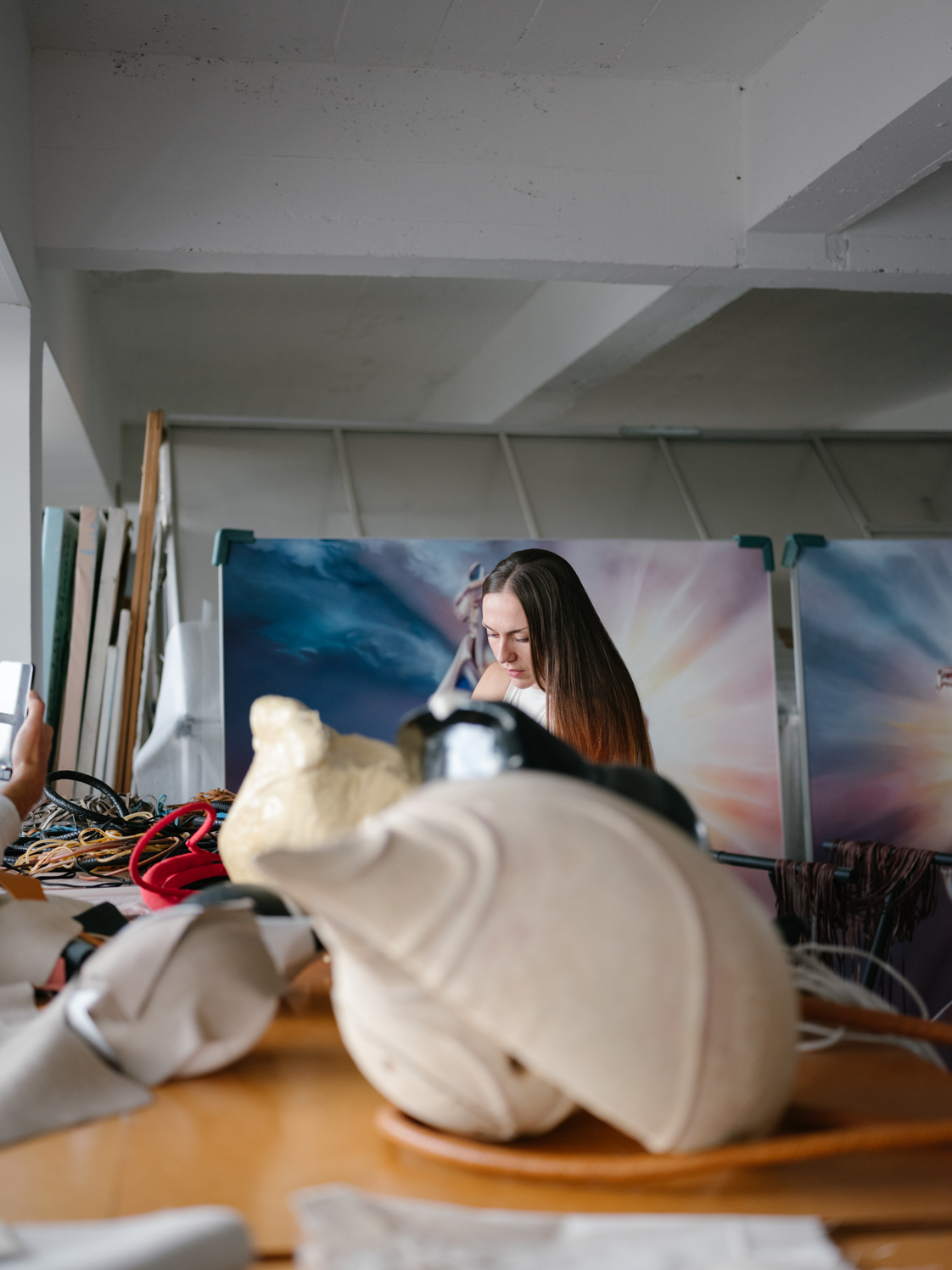
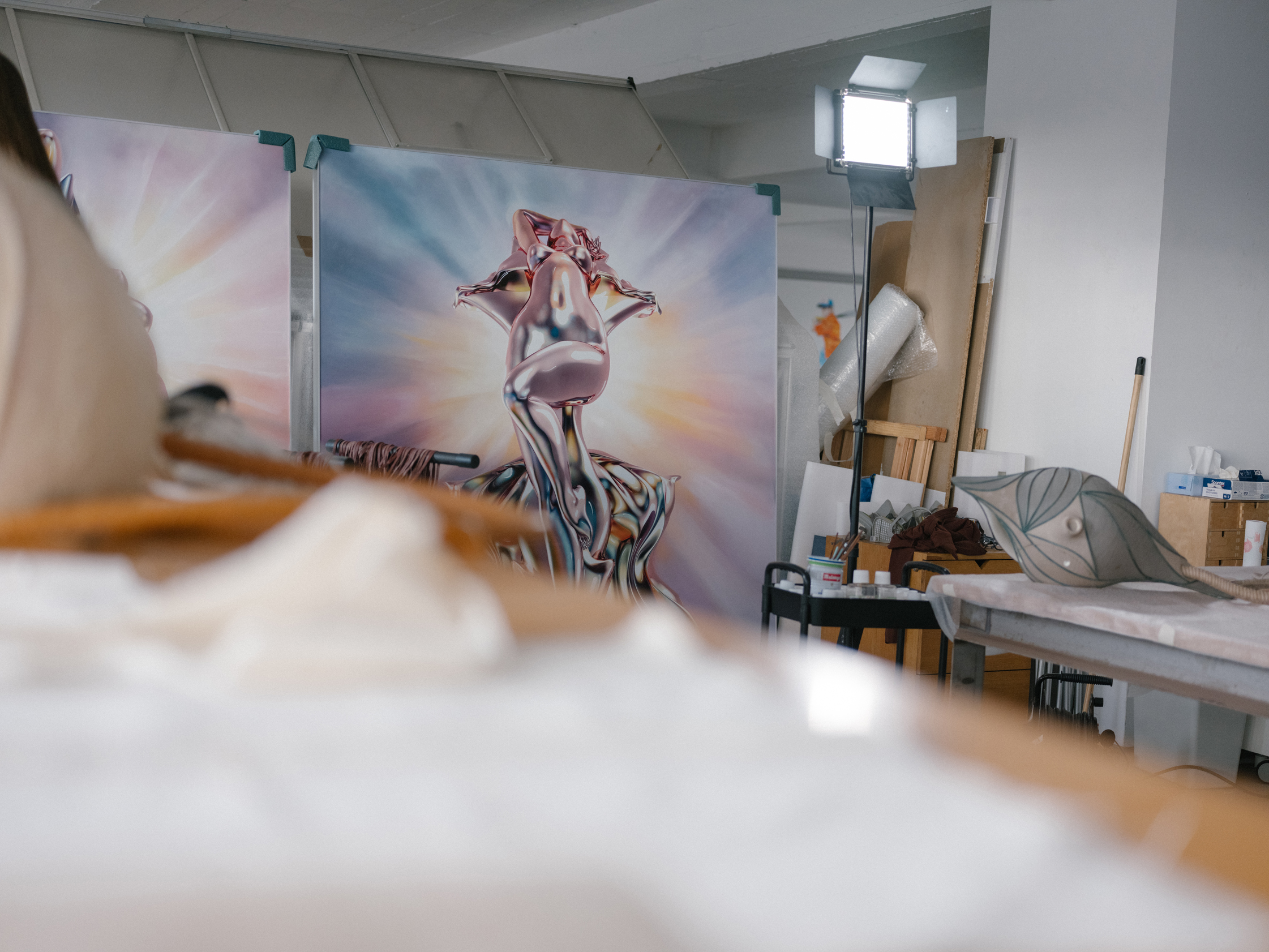
Probably in another life, I would do prosthetics. I did some for my first film. But it takes so much practice to achieve a certain quality.

-
FvF
Salomé, you’ve likely mastered significant technical and conceptual challenges in your field. What, in a purely artistic or technical sense, still genuinely challenges or even ‘scares’ you?
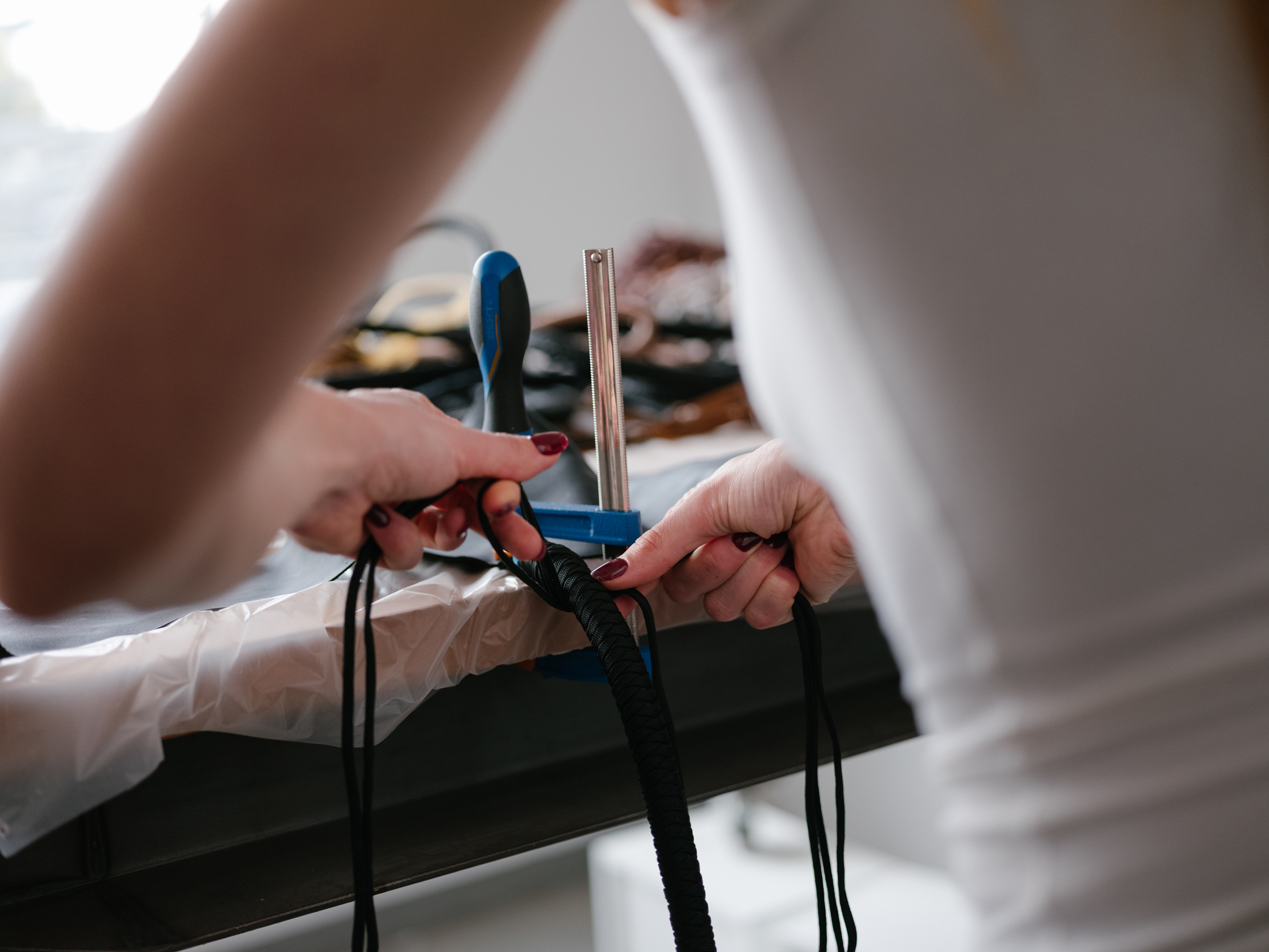
Salomé ChatriotOh yes! Most of my artworks scare me. Recently I started building a new sculpture. All of my previous sculptures were abstract. Now this has changed: the new sculpture is composed of different body parts welded together. It looks like an organ – the musical instrument. And I am terrified of doing it. I barely do artworks that I am not afraid of.

-
FvF
What’s your idea of a perfect studio?
Salomé ChatriotEver since I was 17, I’ve always moved countries, homes. I lived in a 6sqm room, right in the centre of Paris. I even build something in the corridor, just to have a little more space. I still had things in different places, so I often didn’t know where my tools were.
So first of all, I have space in the studio, and I know where everything is. And everything is tidy.
And the studio has to be fluid, flexible. So I can paint, and while it dries, I can do other things, work on everything in parallel, so it all makes sense together: Welding electronics, extracting milk proteins… The studio begins to be a body. The feeling of flow, that’s how the studio should feel like, and suddenly everything interconnects and breathes together.


-
FvF
Were there specific scientific or philosophical texts, or even technological processes, that inspired your initial interest in the organic flows and the ‘healing’ ecosystems you produce?
Salomé ChatriotI always loved data. I will never forget the first time I went to the pulmonologist with my sister as a kid and began breathing into a spirometer, that was my first inspiration to start using biometrical data. There are lots of doctors in my family, and I get a lot of medical input. I kind of incorporate a lot of that into my big mind-map.
I recently read the analysis Giorgio Agamben does on “Pinnochio” in The Adventures of a Puppet, Doubly Commented Upon and Triply Illustrated that I found very inspiring. And I read a lot about theatre.
I love the book “Blancs soucis” by Georges Didi-Huberman. I love the way that milk is an element that is full of life, and changing. When you smell bad milk, it’s so intense, you really want to throw up. But it’s also an allegory for silence.

-
FvF
What is the ‘soundscape’ of your studio?
Salomé ChatriotIf I could have absolute silence, I would be very happy. Everywhere, not just in my studio.
The first time I put headphones on when I was a kid, I never took them off. I wear them all the time. I get very distracted by sound. I almost feel harassed by it. Apart from in nature.
I listen to a lot of podcasts, and books of course. At the moment I’m listening to “L’anomalie” and “I regret almost everything” and a very random fantasy book for teenagers.
When it comes to music, I like a wide range – from classical to DnB. The more tired I am, the more aggressive the music. I listen to music for one hour every morning. Usually I like to start with something a little upbeat.
-
FvF
What about the smellscape?
Salomé ChatriotSame. I also get very triggered by smells.
I like orange blossom. And the smell of paint, acetone and especially isopropyl alcohol – I don’t really mind it, unlike others. My absolute nightmare is the smell of perfume on hot days. Or the smell of food in my studio. Hot, smelly food is not allowed in my studio.
Weirdly, I don’t mind other smells, for example sweat.
I like people’s natural smell most of all. When you really like someone, and it’s comforting just because it’s them.


-
FvF
If your studio could tell one truth about you that your audience or collaborators never get to see, what would it say?
Salomé ChatriotThe intense joy, for sure. Happiness. When you step back in those moments when everything makes sense, and you overcame your fear. Art is a way to extract your emotions, when I managed to inject a part of me.
My studio probably holds a lots of emotions. Full of lots of different energies. Vulnerability, fear, joy, everything. My work is extremely precise. I choose things that have to be perfect. It’s almost a fetish I impose to myself. Self-BDSM.


