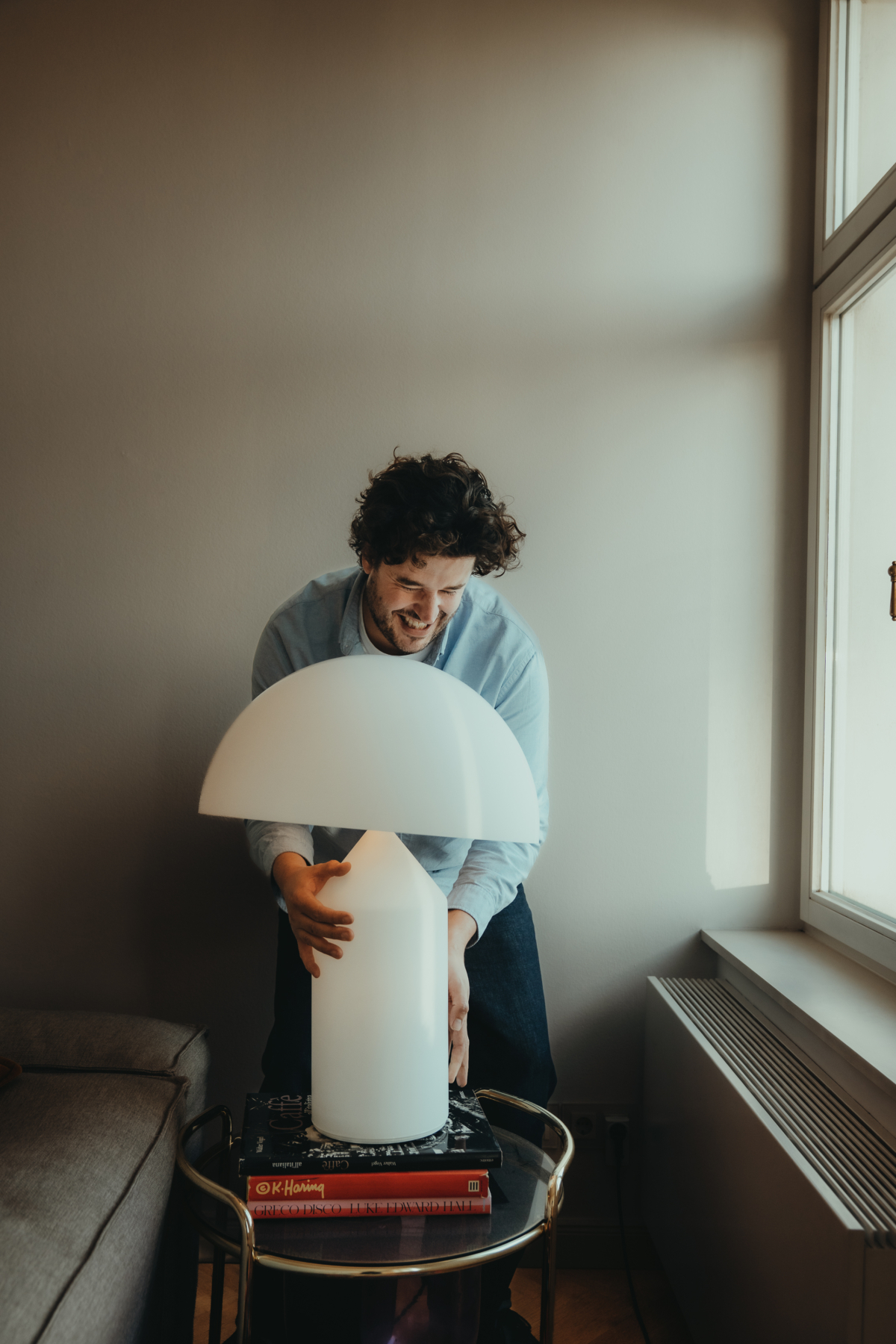
In the heart of Berlin-Mitte, where concepts often eclipse comfort, Manuel Pinciroli – together with Lu Leisering und Silvan Frick – has quietly cultivated Pinci, an Italian Bar & Alimentari defined by its simplicity and profound sense of belonging. Raised in Munich with a deep-rooted connection to the Italian philosophy of hospitality – one that prizes the quick caffè al banco and the proper midday pranzo – Manuel’s approach is rooted in timelessness, not trend. We step inside his measured world, discovering how the design of a space, the consistency of a great service, and the vibrant energy of people are essential components in his professional life, while his private home remains a quiet, tightly-held refuge from the beautiful noise of the bar.

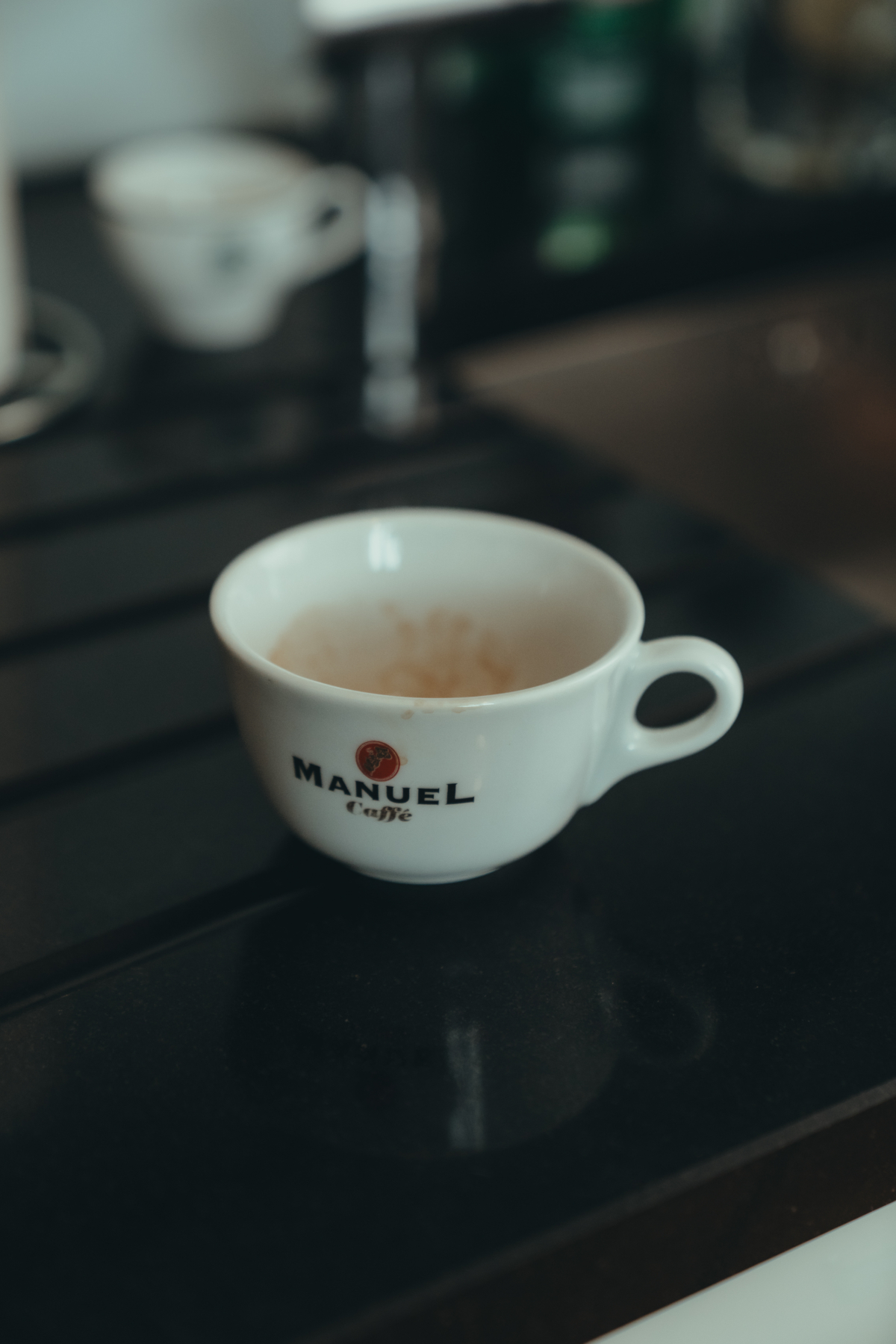
“I really like the smell of coffee in the morning…”

-
FvF
What is your morning ritual?
Manuel PinciroliI was raised with an Italian mum, so I don’t have a particular breakfast culture. I get into the shower, and then I need coffee. I really like the smell of coffee in the morning – it’s my preferred smellscape.
-
FvF
What is the soundscape of your home?
Manuel PinciroliI feel uncomfortable with silence. So when I’m at home, when I’m with my partner, we talk, so I don’t need music. But when I’m alone, I always have music around. All genres really.
There’s always a Rino Gaetano song on my Spotify. And I also love Spotify’s “Discover Weekly” Playlist, I look forward to it almost every week.


“I love canned fish – it’s that simple.”
-
FvF
What’s your favourite piece of art in your home?
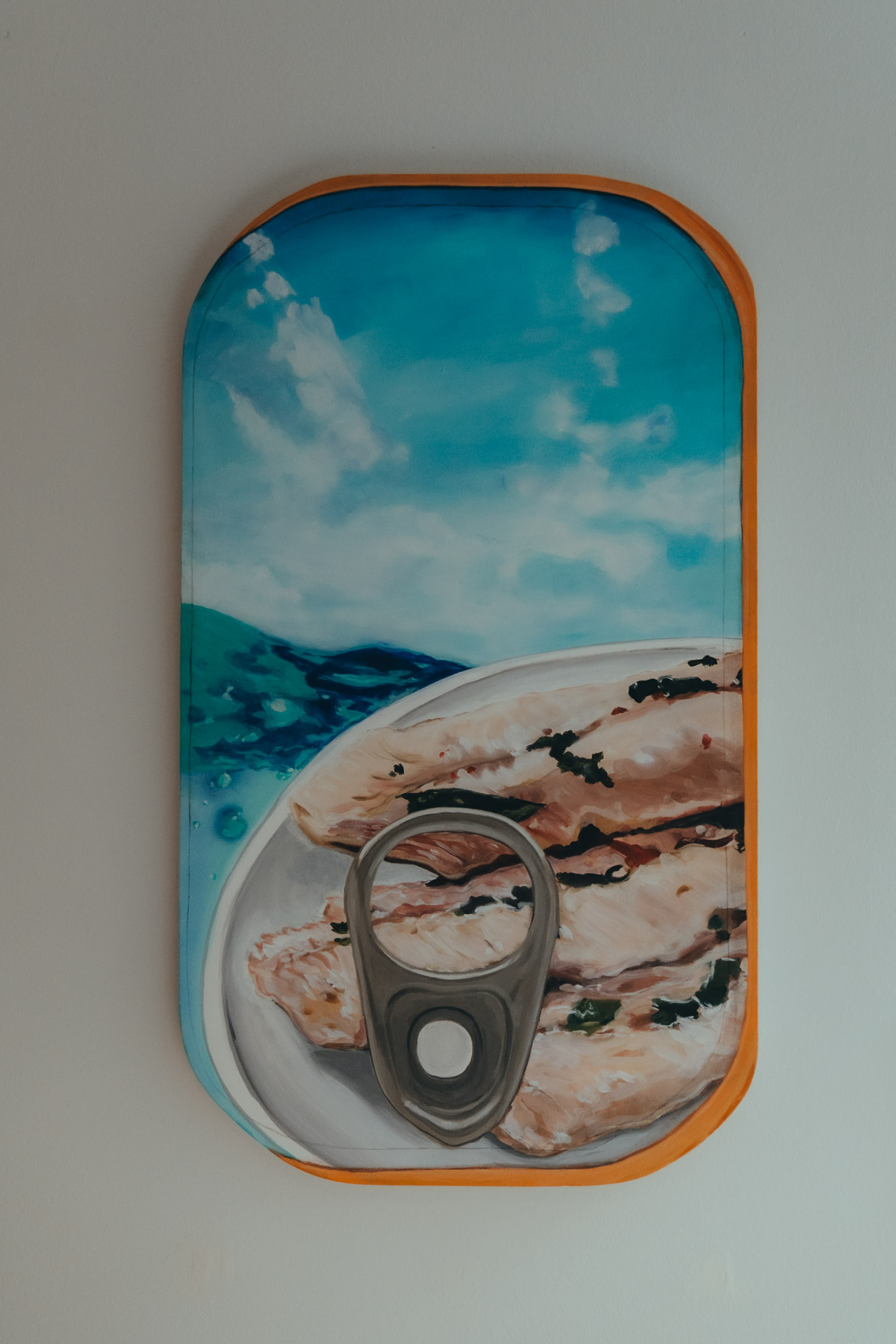
Manuel PinciroliI really like this canned fish painting by Sophie Gogl from Vienna. I have a strong connection with Vienna. And I love canned fish. It’s that simple.
And these two big pieces by Ernst Reifgerst, who is a close friend of my mum’s. A Bavarian original, who now also lives in Berlin. We always had these in our living room when I was a child, and my mum gave them to me when I moved into this home.

“I need to be around people to gain energy.”


-
FvF
Apart from art, what do you allow yourself to collect?
Manuel PinciroliI am collecting a lot of different culinary things. I collect old Amaros, and I love vintage Campari, particularly the old stuff before they made big changes in the 90ies. I also collect old spirit commercials from the 30ies to the 50ies.

-
FvF
Where do you go or what do you do in Berlin when you need fresh energy?
Manuel PinciroliI think there are two personality types: The ones for which connecting with others sucks energy out of them. And the ones that gain energy through interaction with others. I need to be around people to gain energy.
I am rarely bored, but when I am – just a little – I am often going to Pinci to talk to people. Staff, guests, regulars, distributors, everyone really. That’s such a big plus point working in hospitality.
I’ve been strongly connected to the hospitality world ever since I started my apprenticeship in a small restaurant in Munich aged 15 – first as a restaurant specialist, then as a chef. So I mostly go to restaurants – I gain energy when I mingle with people.

“People seem to want more of the classics these days…”


-
FvF
Are you a regular somewhere?
Manuel PinciroliI am a regular myself at some institutional places, Lamazère Brasserie, Petit Royal, Grill Royal, you name them. We have all these new modern, conceptual restaurants – but people seem to want more of the classics these days. I most definitely do. I always stay with the classics.
Grill Royal is one of the best places in terms of consistency, service, high volume. A lot of the Grill Royal staff pass by Pinci to have a coffee or a sandwich before service. And we sometimes visit them when we close up for the night.
I have lots of respect for Grill Royal’s Stefan Landwehr and Boris Radczun – for their consistency, not jumping on every possible trend. Staying with the classics, and bringing them to a new level. That’s where I think the future of restaurants lies.
And I really like Bostich for its vibe, and oysters.

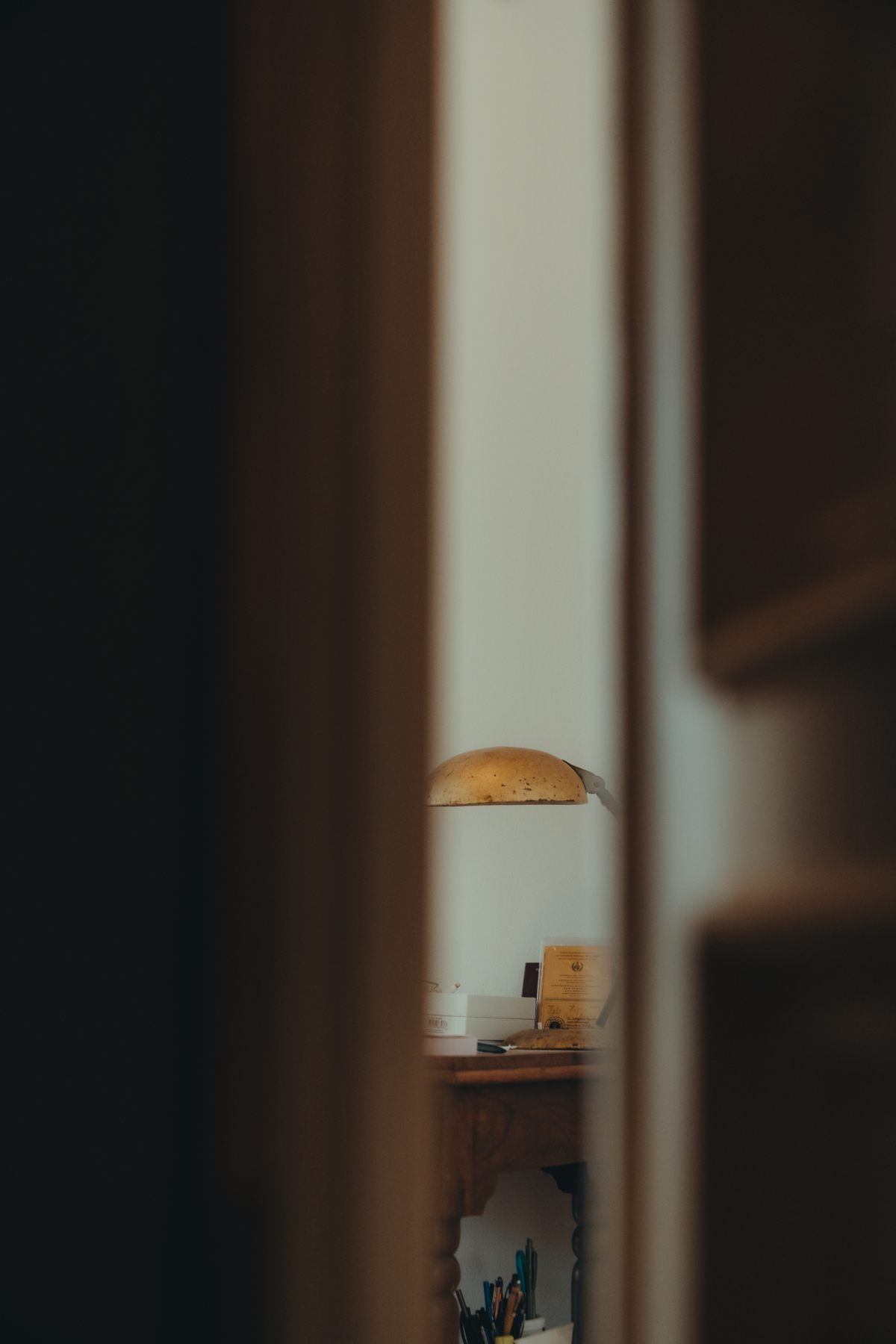
-
FvF
Apart from Italian food, what’s your favourite cuisine?
Manuel PinciroliBerlin has a lot of great Chinese restaurants – the best in Germany I think.
Ming Dynasty is a favourite. As well as Aroma. Do De Li on Kantstraße, too.
Also Thai and Vietnamese places. Larb Koi in Friedrichshain is a favourite, and Charlie is the best Thai chef in town. Also a place in Lichtenberg close to Dong Xuan Center called Thành Koch.


“I get very inspired by the heritage culture of hospitality in Italy.”


-
FvF
If you had to grab one object from your home that is essential to your personal narrative, what would it be?
Manuel PinciroliMy uncle gave me a book when I was 13 that is called “Cafeteria Italiani” which is a book about places all over Italy. I get very inspired by this, the heritage culture of hospitality in Italy, which we also had in Germany back in the days, but we kind of lost in a lot of regions these days.
Also – my Le Creuset. I make almost every food in this thing.
I am not really an object person though. I am a people person.
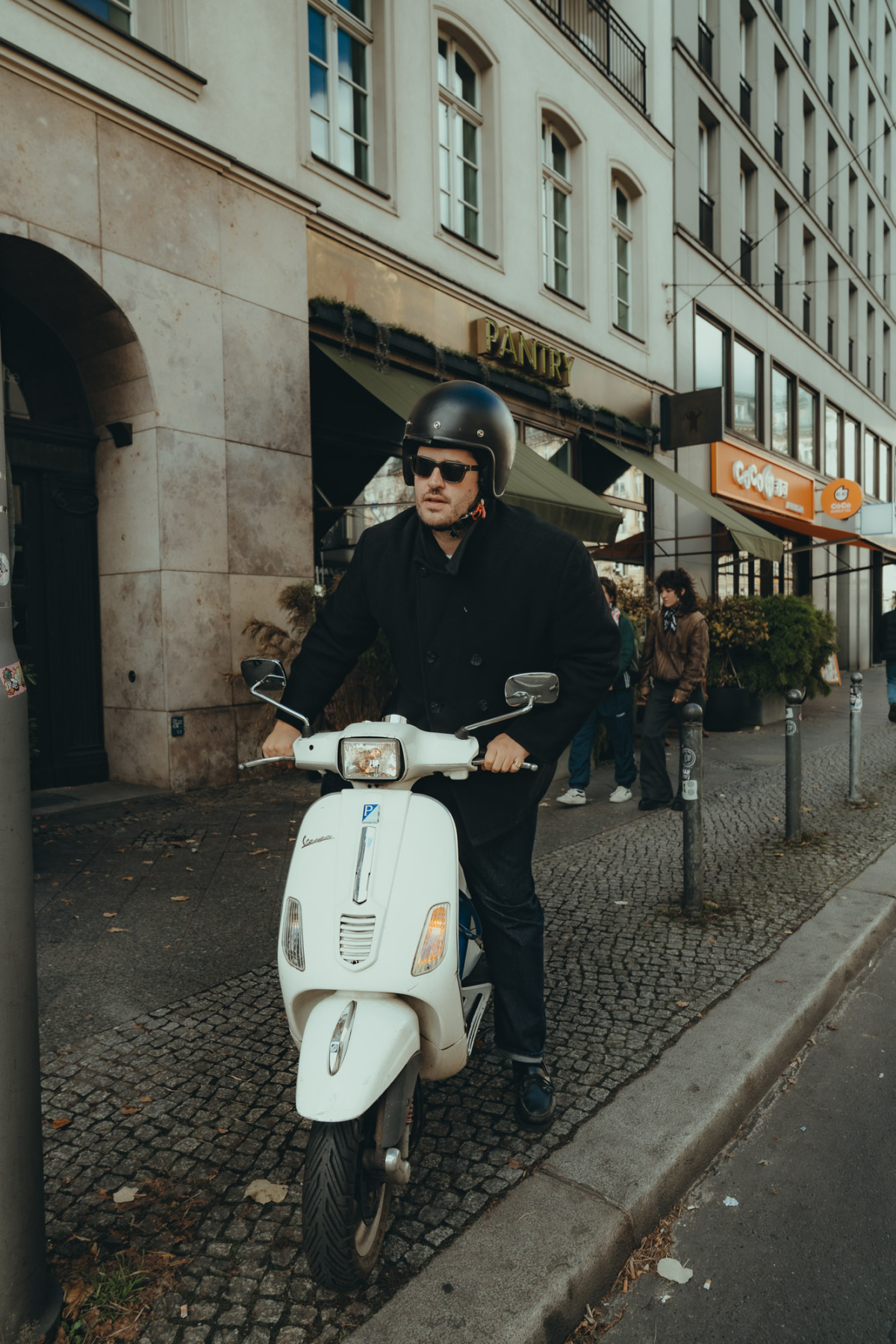
But oh – my Vespa! I need my Vespa. I used it every day. People laugh about it, as it’s really run down, but I will drive it until its’ death.
“More Vespas for Berlin please!”

-
FvF
If you could have lunch with any culinary figure, but the one rule was that you cannot talk about food, who would you meet, and what would you talk about?
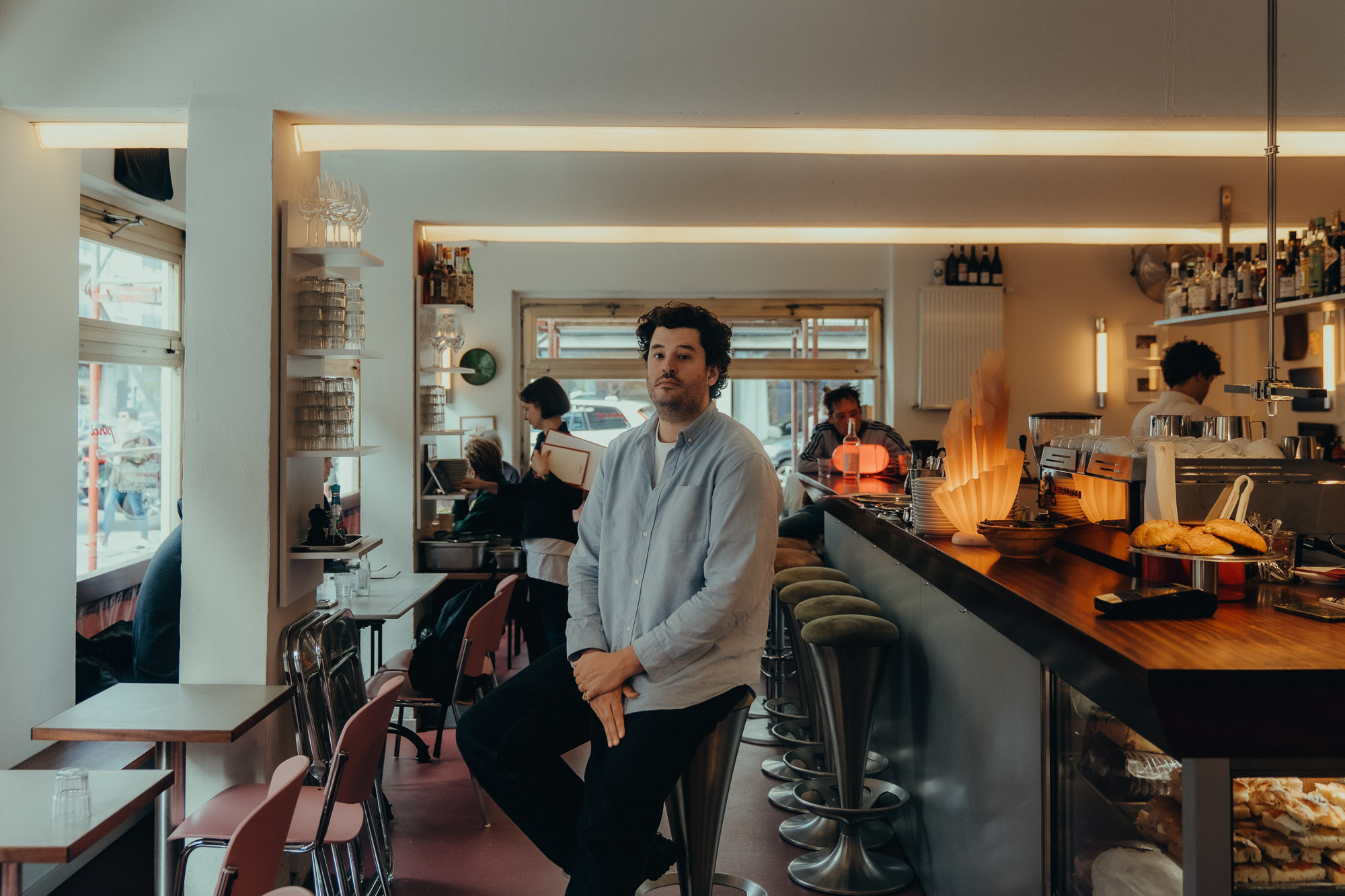
Manuel PinciroliEvery person in this world would have loved to meet Anthony Bourdain. And I guess I would talk about art and architecture with him, and with Keith McNally from New York, who runs Minetta Tavern, Balthazar, The Odeon, Pastis and other great places. Talking about how to manage a high volume place with that amount of covers. If restaurant owners meet, they rarely talk about the food.


-
FvF
Pinci is defined by its simple, unforced atmosphere. Is your home an extension of Pinci’s feeling, or a deliberate escape from it?
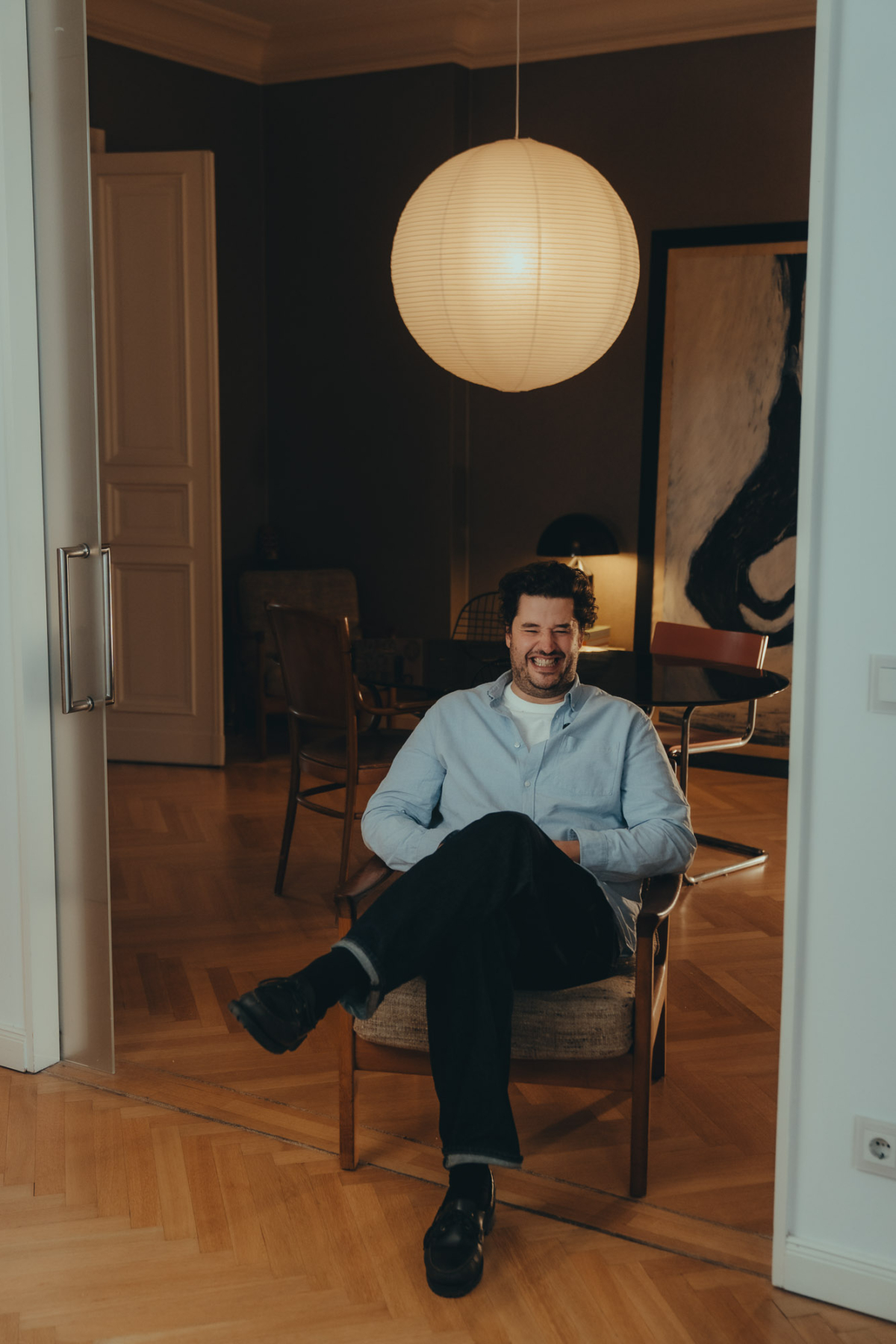
Manuel PinciroliI think my home is different. The simplicity is the same though, but my home is my hideaway. I like being at home with my partner, or alone. I don’t let many people enter my home. Sometimes even I get exhausted by being around people all the time, so I need my home as a refuge.

“Up until today, it’s extremely hard for me to sit behind a desk. I need to do something physical.”


-
FvF
You have a deep family connection to Italian culture. If you could trace the philosophy behind Pinci back to a memory from your childhood, what would it be?
Manuel PinciroliThat’s very simple. When I was a small child, maybe from the age of 4, we went to a lot of Italian restaurants with my parents in Munich. Also on holidays in Italy, very regularly. It was back then that I already told my parents: That’s where I want to work. Being the guy behind the bar, serving the food, being a chef.
We had this Italian bar close to our place in Munich called Café Gino – they had wonderful ice cream. We were next door neighbors ever since I was 6, and soon I started to make my own toast at their place. It felt very natural.
Then I kind of realised that I definitely wanted to do this. Mind you, I don’t have any gastronomic background in my family – my parents do completely different things. Yes, some of my uncles had pizzerias and such, but nothing super serious. I had a huge conflict with my parents about that choice. Then I quit school when I was 15 and started the apprenticeship.
It’s a wonderfully practical choice – and up until today, it’s extremely hard for me to sit behind a desk. I need to do something physical.
-
FvF
You chose the Große Hamburger Straße/Mitte area of Berlin for Pinci. What specifically about this block, this intersection of history and daily life, told you it was the right backdrop for an authentic Italian Tagesbar?
Manuel PinciroliWhat we know as Pinci now used to be a fashion store run by my dear friend Rune Orloff. With Covid, and a break-in, and other misfortunes, it didn’t work out for him – but I always told Rune to let me know if he ever decided to let go of the place: I have the perfect concept for that space.
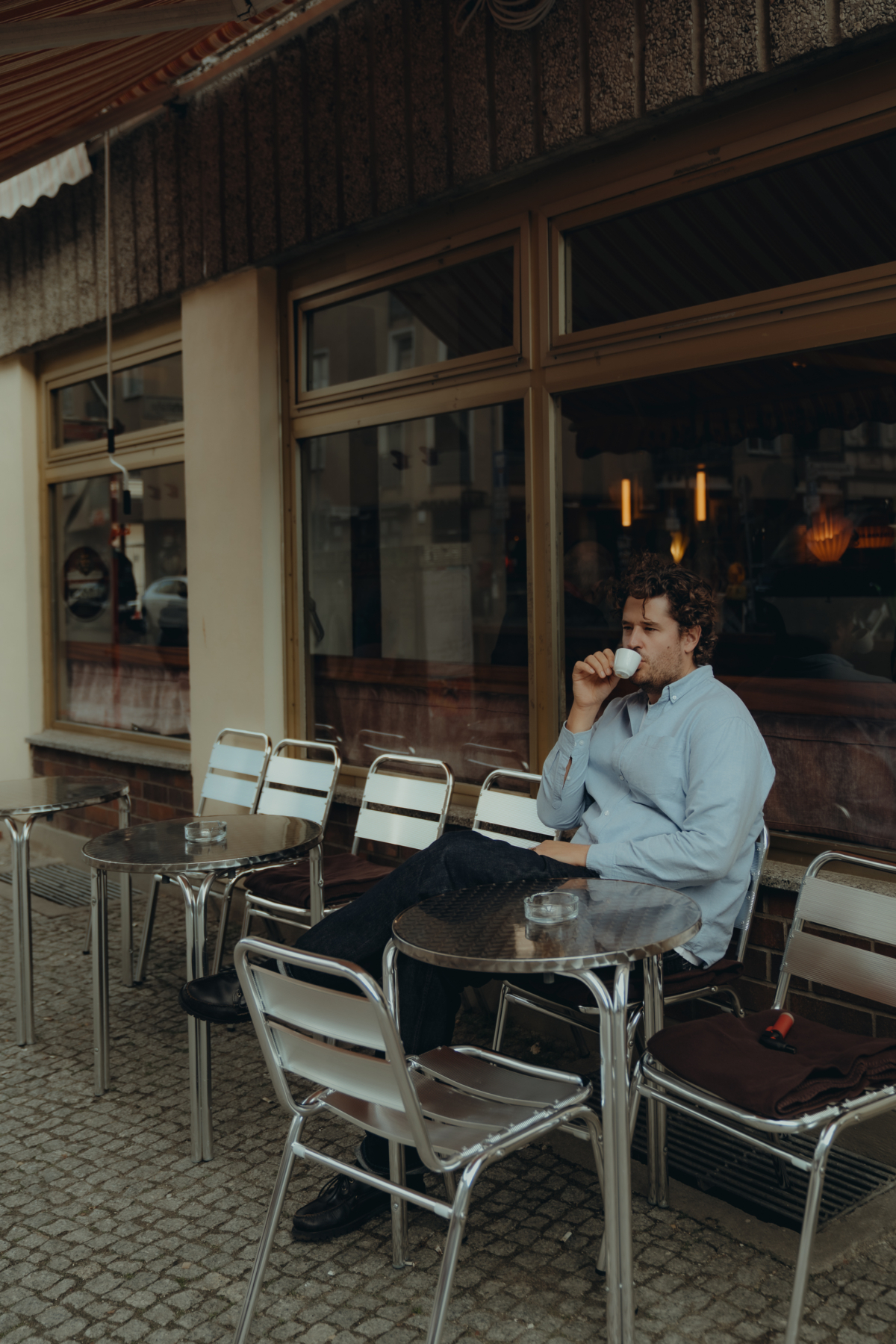
I was searching for a place in Mitte, where we also live, where you can just have a panino, a tramezzino, a pastry, and a coffee. With my Italian background, I am not too comfortable with big coffee chains – not to mention any names. I don’t want a concept. I prefer a simple “café al banco”, swinging in and out.
We then negotiated for 9 months, then renovated for 7 months, from scratch.
The place really found us. It’s a lot about personal preferences.
Mitte was missing something like Pinci – a personal, owner-run business. One of us owners – Lu, Silvan, or myself – is always there. It’s one of the most important factors – for the guest, but also for the staff.

“The essence of Pinci is the team…”

-
FvF
What are the two or three most essential objects in Pinci that, to you, hold the key to the space’s soul?
Manuel PinciroliI think it’s not an object, it’s the team. We try to work mostly with full-time people, building their own regular crowd. They are the essence of Pinci.
If it has to be objects, it’s the La Marzocco coffee machine, of course. They are historically a very important brand for the modern coffee scene. Our beer tap, too. And a screwcork – as we really love wine.

“I love the sound of a bar running…”

-
FvF
What’s your favourite soundscape at Pinci?
Manuel PinciroliI love the sound of a bar running – the coffee machine running, plates clicking, a shaker shaking, people talking, some background music, chopping board chopping. These are my favourite sounds that I feel very comfortable with.
In a bar, no music is better than shitty music.
At Pinci, we play a lot of Jazz, particularly in the morning. Miles David, Billy Evans Trio, Chat Baker. In the evening, we play a lot of low-fi, sometimes even electronic music, but also Italian classics from the 70ies. Sometimes, we even play Bavarian folk music.


-
FvF
Your menu is intentionally brief and focused on perfection through simplicity. What is the greatest challenge in achieving this unpretentious level of quality?
Manuel PinciroliIt’s all about product. You need the best straciatella, you need the best honey, you need the best pine nuts. And that’s. The food must be excellent, but not in the spotlight. It’s the “vibe” – I guess that’s what people call it these days. The best situation is that people are surprised by the quality of the food.


-
FvF
You run an Italian Tagesbar (day bar). How does the rhythm of the day—from espresso in the morning to the evening aperitivo—influence the experience, and which part of the day do you find most fulfilling?
Manuel PinciroliMy favourite time at Pinci is Friday transition between lunch and dinner, what we call aperitivo. When people start to order drinks, come together.
I also really like lunch, as I miss a proper lunch culture in Berlin, what we call “pranzo” in Italian. The new place with have a “Domenico pranzo” – a proper Sunday lunch, where people can indulge and have a good time.
Tell us about your project for next year!
We’re going to open a new place in Kreuzberg next year, with a totally different concept. Italian again, though. My family is from Lombardy, close to the Piemontese border. Italian places often do the same menu all over Germany. The new place draws inspiration from Piemont, but also some influences from French cuisine. The idea is a timeless Italian place. It’s going to have a different name and brand, but the same amount of love, of course.


“Berlin is the only city in Europe where you can just start something.”

-
FvF
Why Berlin?
Manuel PinciroliHmmm, difficult. I was raised right in the middle of Munich, a kilometer from the main square. I love it a lot, but it’s currently changing in a way that I often don’t agree with. Back in the days there was more space for creativity, the Rolling Stones, Freddy Mercury, Uschi Obermayer.
Now there’s less & less space for freedom, so also for restaurateurs like me who don’t want to swim in the Bavarian food bubble.
I spent some time in New York before moving to Berlin. My partner and I negotiated where to move to for a while, and in the end Berlin won.
It’s a great place! Yes, we’re all always complaining about price increases and nothing working well in Berlin, but hey: Berlin is the only city in Europe where you can just start something. That’s really not possible in places like London or Paris or Milan any longer.


