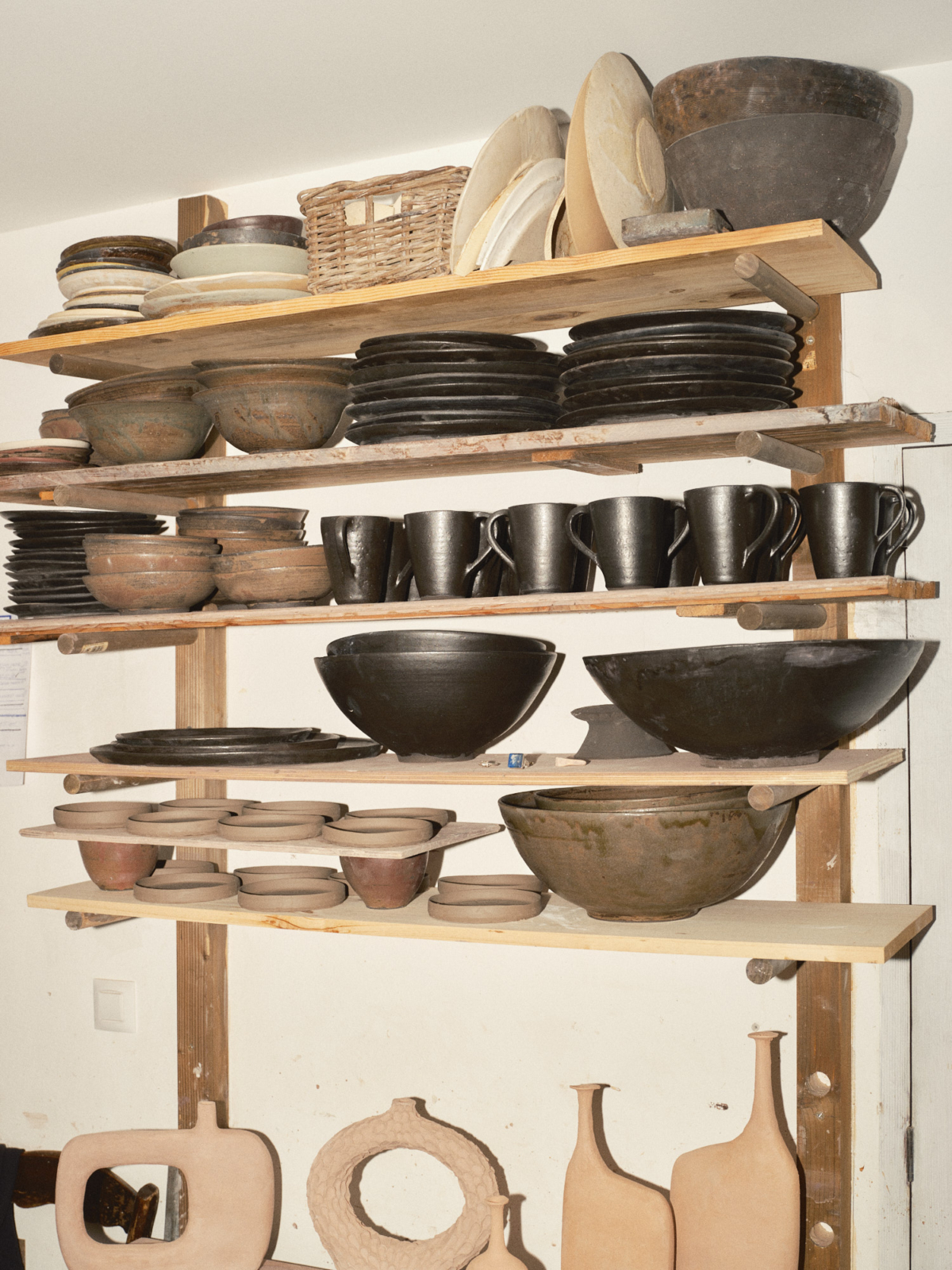
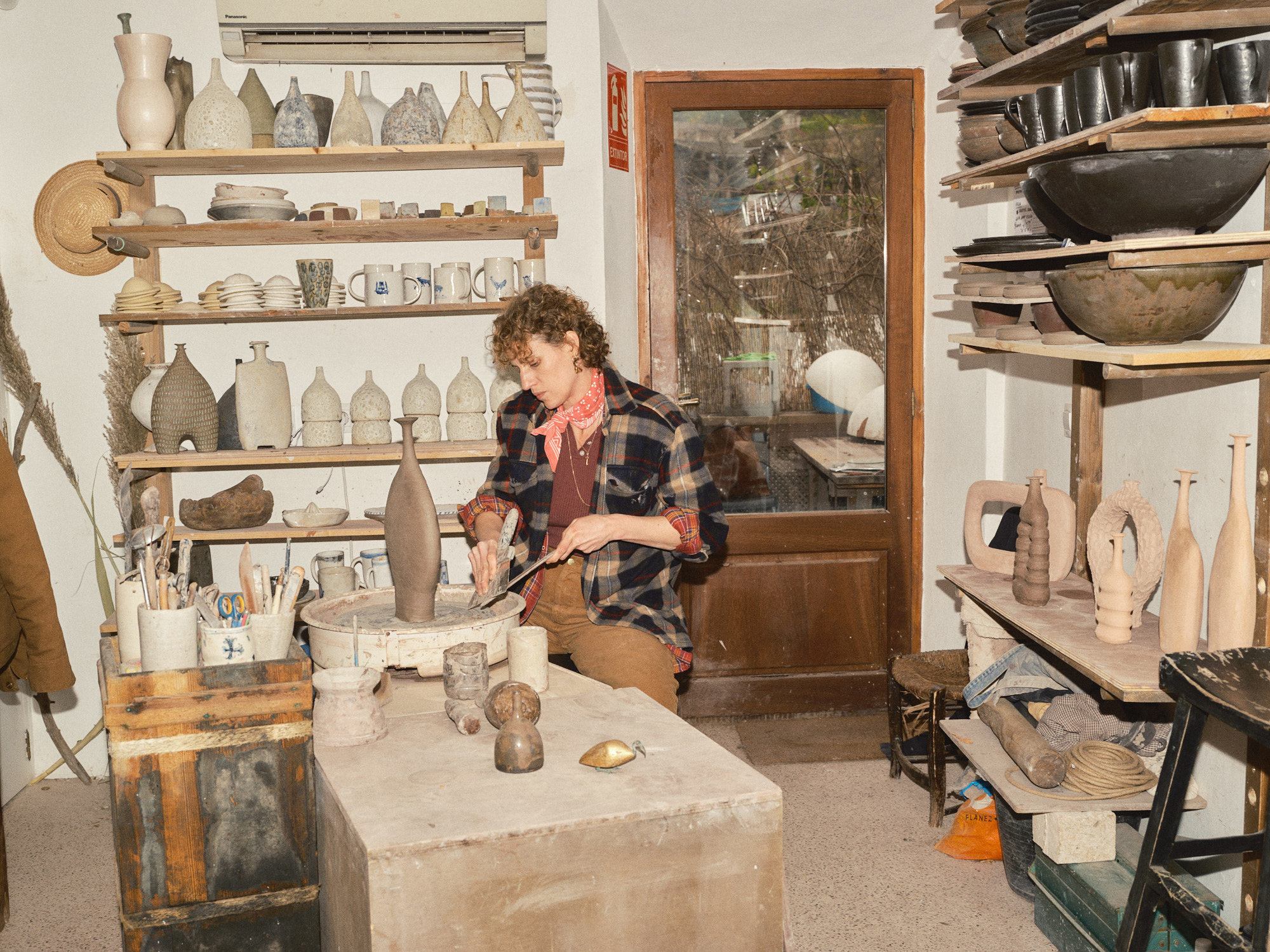
In the sun-drenched quiet of her Mallorca studio, Dora Alzamora Good practices a form of creative resistance. Her work – sculptural, totemic, and deeply rooted in the raw textures of the Mediterranean –occupies a space where ancient craftsmanship meets a modern, minimalist soul. But as Dora reveals in our candid conversation, the “monastic” purity of her finished pieces belies a process defined by physical grit, ADHD-fueled momentum, and a “stubborn” persistence.
A former painter who found her voice in the “skin” of the earth, Dora has traded the frantic pace of the digital world for the slow, unhurried cadence of the kiln. Here, she opens up about the vulnerability of finding new shapes and colours, her childhood memories of gasoline and wet earth, and the profound life lessons learned from clay. From the private joy of a favorite armchair to the “silly” playfulness that lives beneath her somber silhouettes, we sat down with Dora to explore why, in both art and life, the secret to moving forward is often knowing when to let go.


-
FvF
Dora, you’ve just finished a massive kiln firing or completed a series for a major exhibition. After days of physical labor and high-stakes temperature control, the energy begins to fade. What is the very first, truly mundane thing you crave in that post-creative space?
DoraOnce I’ve finished a big order I try to read a book, or even watch a movie. I don’t get a lot of time, as usually I work a lot, and I have a child. In the summertime, I love going to the sea, having a swim. I have a favourite local spot that I can’t really share, as then it gets too busy. I need to protect that spot, sorry. In the winter, I love going for a walk, soaking up nature.


-
FvF
Your hands are your primary instruments; they are the translators between your mind and the clay. How does this reality intersect with everyday tasks?
DoraI’d be very sad if I lost my hands. But I don’t really think about it too much. If I get injured, or do a lot of repetitive movement, I get a little worried sometimes. I’m not very precious about them though. The clay is so hard on them, anything else isn’t that bad really. I should probably wear gloves more often, as my mother always says I have nice hands.


-
FvF
In ceramics, there are forced periods of waiting—waiting for clay to reach leather-hard, waiting for the kiln to cool. How do you intellectually frame these periods? Do you view them as ‘idle time,’ or do you see them as crucial phases of internal recalibration where the next idea is quietly percolating while the physical work sits still?
DoraThere is never an idle time when it comes to ceramics. There’s always something that has to be done. It’s perfect for people with ADHD, as normally you’re working on several things at once. I do a lot of hand-altering. So whilst certain pieces are in the kiln, I do the altering on others, and have lots of other work to do, too. Cleaning is endless – I’m not a big fan of cleaning my wheel at all. My workshop is also my showroom, and it’s rather small, so it’s particularly important to keep it neat. It’s a rather dusty showroom, I have to admit.
-
FvF
In your home, what is one object that is absolutely essential to your well-being but has nothing to do with ceramics or art? What is its story, and why does it earn its place in your environment?
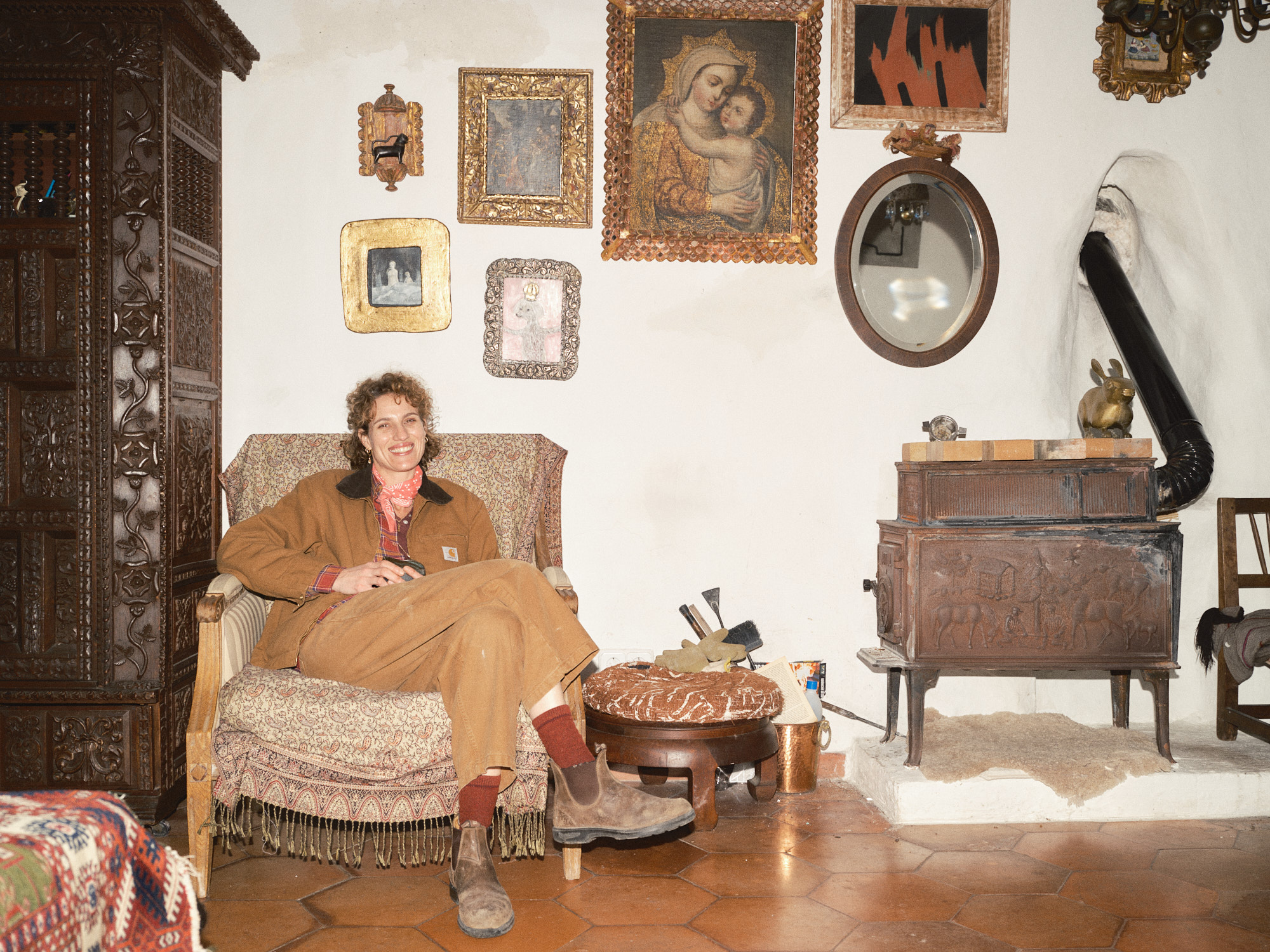
DoraI love a good chair. A comfortable spot to sit in. We have this arm chair – it sits right in front of our window. That’s my spot. I like to sit there and look out, enjoy the view. The chair itself isn’t that important. It’s more the location of where the chair is.

-
FvF
Beyond formal sketches, how do you capture the fleeting impressions that you intuitively know will later inform a vessel’s silhouette?
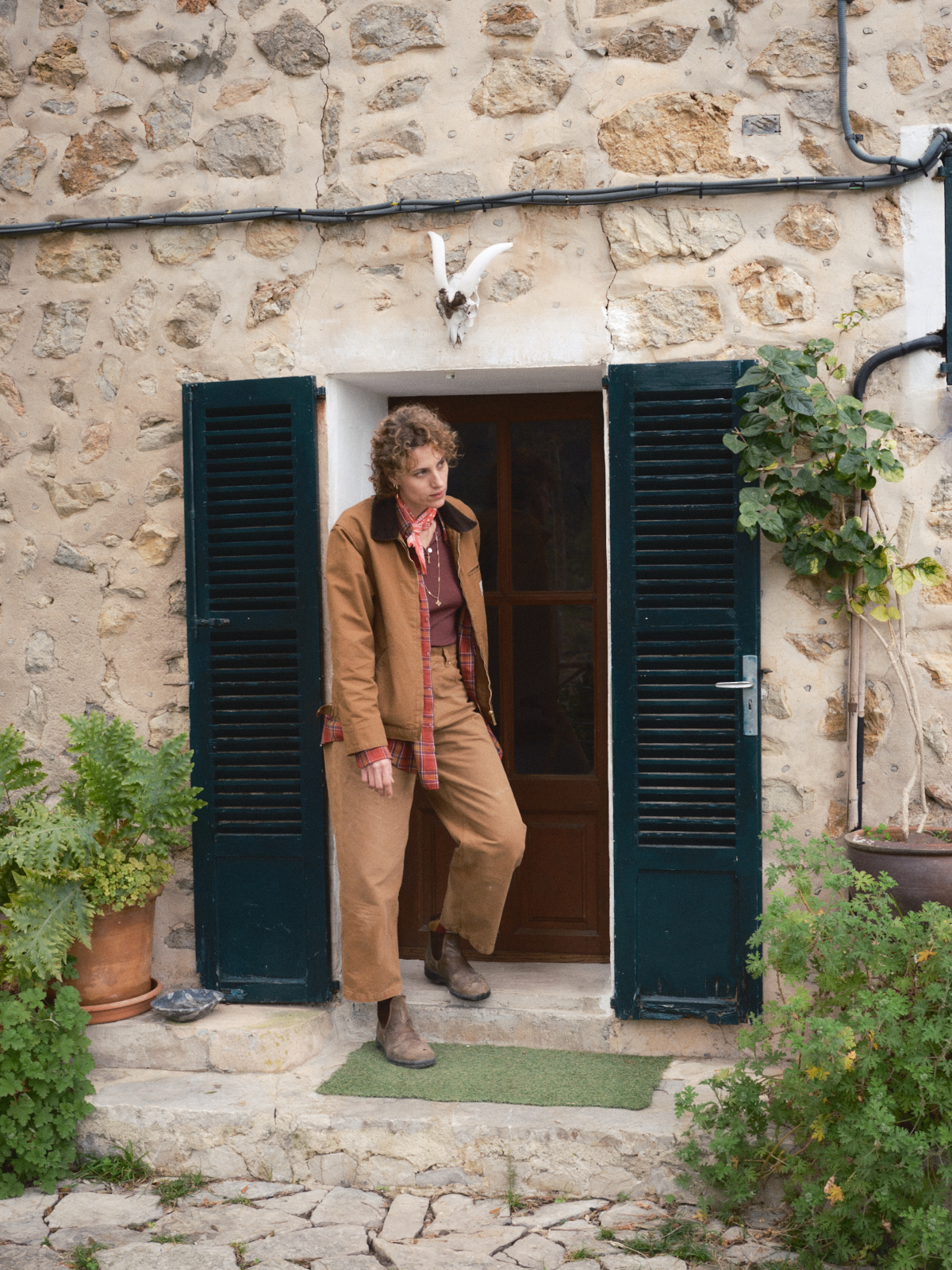
DoraI definitely use a mental registry, and then drawing. I studied art – I was going to be a painter. The sketching bit is quite important to me. Sometimes I take photographs of my old pieces, as I like to incorporate details of old pieces into something new. So there’s a bit of cohesion between the pieces. I’m not the best at keeping archives – I feel like that would be another full time job. I don’t like being in front of the computer for a very long time, so that would definitely not be a dream job for me.


-
FvF
You work in a palette that is often described as ‘neutral’—whites, sands, charcoals. But to a ceramicist, there are a thousand shades of white. How do you choose the ‘temperature’ of a piece?
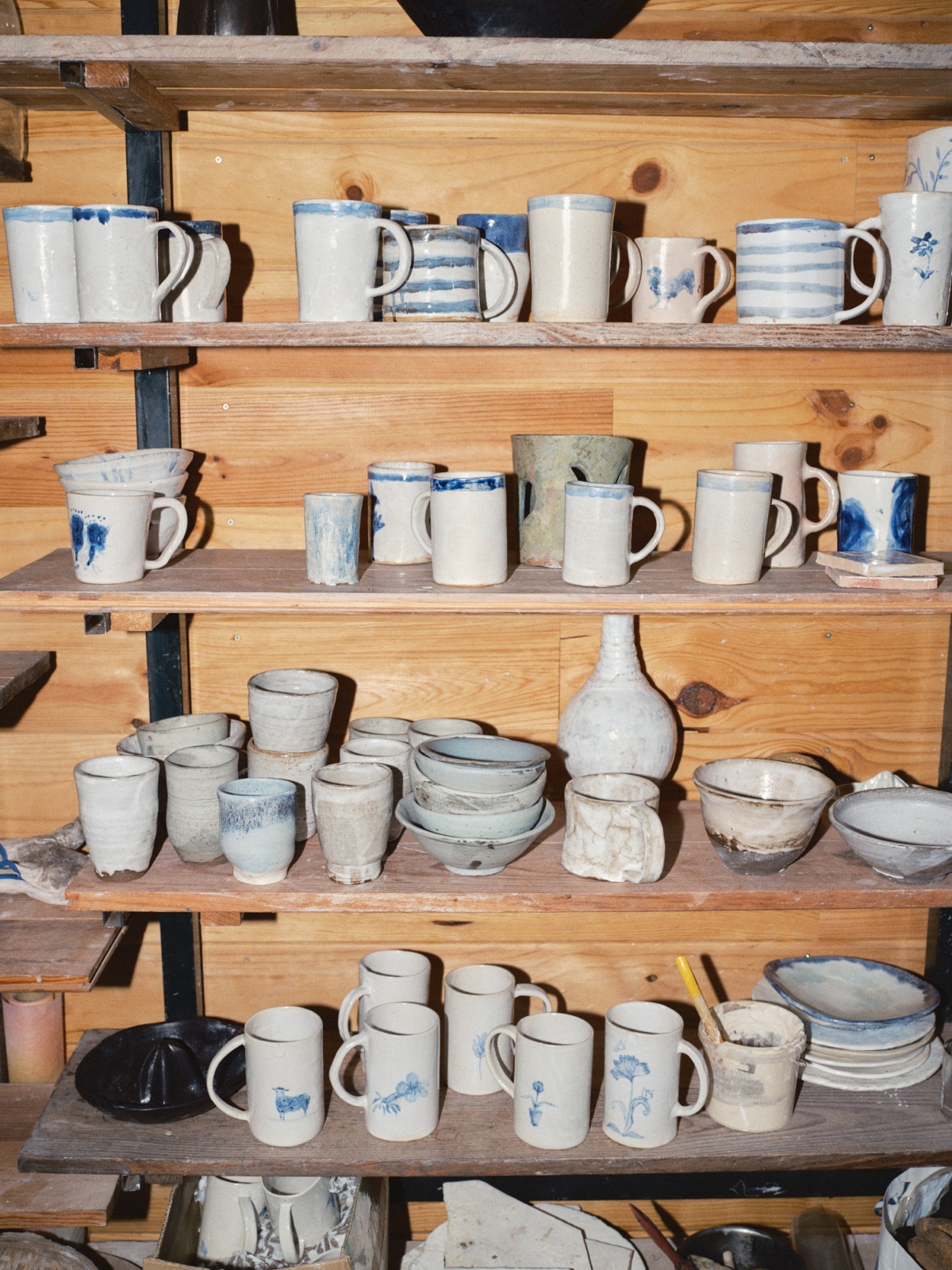
DoraI think I do tend to work in cooler shades in the winter and warmer shades in the summer. But it really depends on my mood. As I get older, of course, my taste is changing slightly. It’s kind of an instinct. When there’s less light, I often make slightly darker pieces. At the moment I’m trying to move away from neutral into more “colour” though – which would still be neutral for other people. (Smiles.) Yellows, pale greens, darker olive greens. In a canvas, people would paint the background ochre or brown to make the things in the foreground stand out more. I like to work with darker, iron rich clays, for the same effect: It gives a bit more depth. Each glaze reacts differently with the clay body – first I do lots of glaze tests, or I wing it, more and more often. I like surprises.

-
FvF
Working with clay is often a rhythmic, solitary process. When you are at the wheel or hand-building, what is the ‘soundscape’ of your environment?
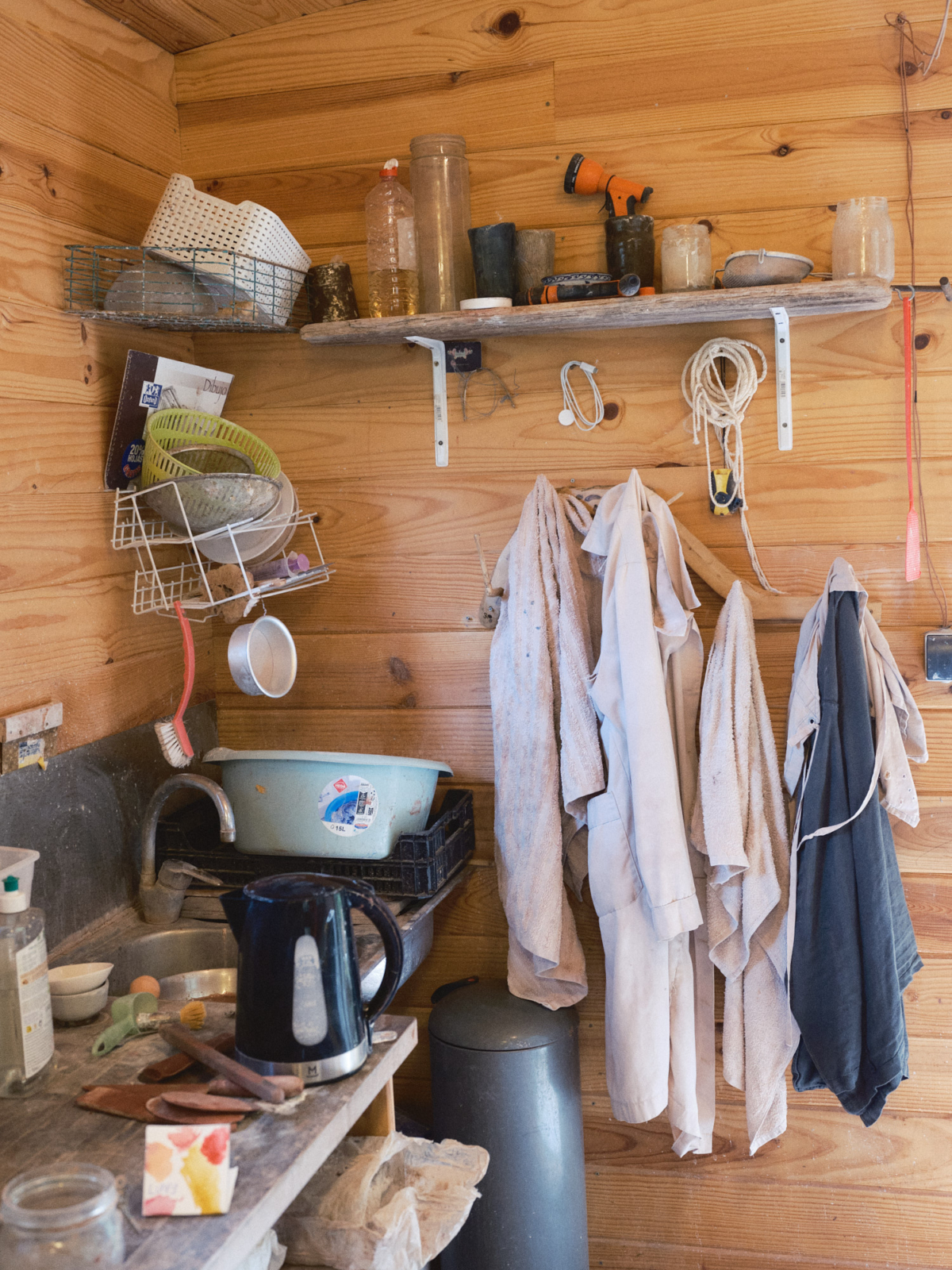
DoraI put on a lot of music while I’m working. It sets the rhythm of my day. The weather also has an impact on what I’m playing. If it’s gloomy, I love Nina Simone, for example. At home, I don’t listen to music as much as in my studio. On weekends, I love listening to music on my record player. But after I get home from work, in the evening, I usually don’t listen to music much.
I love the sound of the sea. I don’t go there as regularly as I should in the winter time. I also like just listening to the sound of the trees in the wind. Birds. Nature. We live in the countryside, but in a busy little village. I can always hear people doing stuff in their garden, or elsewhere outside – there’s more and more traffic, which is a little annoying. I much preferred it when it was quieter in the past.


-
FvF
What about your favourite olfactory experience?
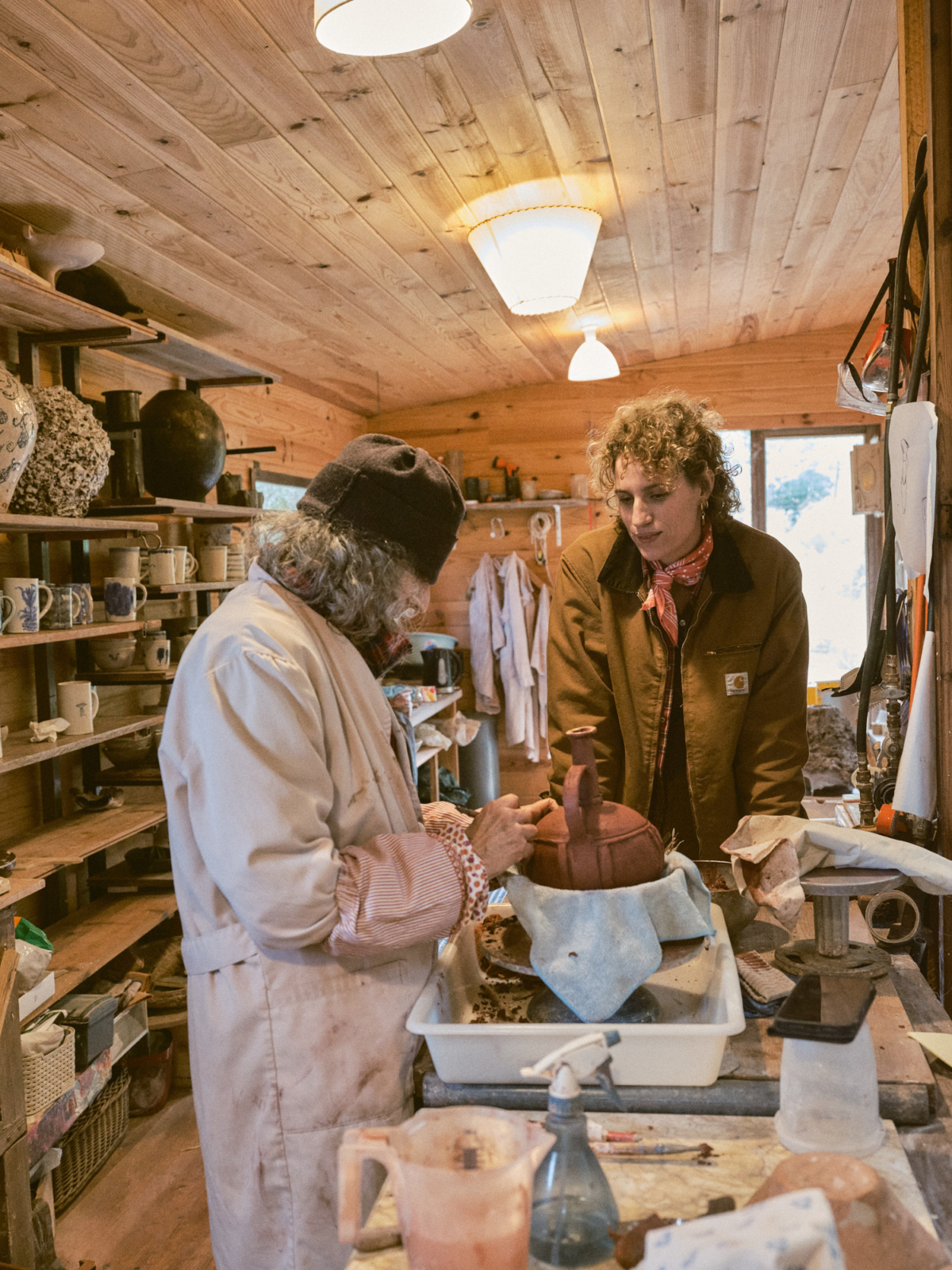
DoraAt home, I love bergamot, earthy smells. My fondest smell from my childhood is from my dad’s jeep, an old white and green Landrover. It always smelled like gasoline, horse manure, wood, dirt. That smell for me is IT. And after it rains, the smell of the wet earth, and the wet grass. Freshly cut grass. In french they call it eau de pluie – so pretty. The studio is more neutral. I do enjoy the smell of clay, but if it sits with you too long it can get a little smelly. If it gets mouldy though, it gets very soft, and easier to work with. You can let it sit there for years.


-
FvF
Your work often reflects a minimalist, natural conviction. Has a specific discovery in the studio ever clarified a personal belief for you or changed how you understand the concept of imperfection in life?
DoraYes. 100%. If anything, clay really teaches you the art of letting go. How to not be too attached to things, to the outcome. It’s a fragile material, and so many things can go wrong in the process of making something. It helps with the attitude of saying: “oh well, it went wrong. I can either give up or go on. So I might as well go on.” Problem-solving becomes easier, as I have to do it all the time with my work.
Also, the pace of things is so different. Everything out there has this frantic pace. But you cannot possibly rush pottery.


-
FvF
“So are you better at handling ‘cracks’ or ‘accidents’ in your personal life because of your relationship with the kiln?
Dora100%. It’s funny, but at the beginning, when more things go wrong, I used to get very upset, I also got more upset in my personal life, things felt more dramatic when they went wrong. Now, less and less. So yes it has definitely influenced my outlook on life.

-
FvF
In a world of mass production and digital speed, does the slow act of shaping a single object by hand feel like an act of resistance? Is the integrity of a hand-coiled form a statement in its own right against the complexity of modern noise?
DoraYes, it does. I stopped working with strict deadlines. I always try to remind myself that this isn’t a life or death situation. I don’t get stressed any longer about being rushed by other people. There’s only a certain pace in which I can work, and so be it.


-
FvF
You put weeks of work into a piece only to surrender it to the fire, where things can go wrong. Where do you allow yourself to be vulnerable in this process? Is that vulnerability a private struggle, or is it something you feel is necessary to channel into the art itself for the audience to see?
DoraI’d say it’s rather private. Everyone struggles with not being good enough. I try not to think too much about whether my work is going to resonate with people or not. Sometimes I have my doubts about where my work is going, particularly when I’m making new shapes. And then I just surrender to my own intuition. I do get a bit shy working on a new piece, and that feels very personal.


-
FvF
If you could have a conversation over dinner with any creative figure—living or dead—under the rule that you cannot talk about their art or your ceramics, who would you choose and what would you talk about instead?”
DoraI think I’d have dinner with Patti Smith. I would talk to her about humans, politics, the way the world works. She is great, she’s a woman who’s lived through a lot of things, both in her personal life and her work. I see her as a very strong woman, a great inspiration. But it would of course be very very difficult to not talk about art. For artists, it’s almost impossible to separate art from life.

-
FvF
You have mastered the technical hurdles of your medium. What, in a purely artistic sense, still genuinely ‘scares’ you?
DoraRunning out of ideas. That is terrifying. Or becoming too redundant, becoming boring, not being inspired, and thus not inspiring others.


-
FvF
If the clay you work with could tell one truth about you that your collectors never get to see—your moments of frustration, your quietest contemplations, or your unexpected breakthroughs—what would it say?
DoraI’m quite a silly person, not that serious at all, so maybe that’s what the clay would say. The playfulness. That I’m still a big kid that enjoys playing. Sometimes I feel that my work looks more sombre than who I really am. Now, slowly, I’m coming out of my shell more, to play more. When you have certain success with a certain aesthetic you get a little fearful of breaking away from it. But slowly, I’m letting that side out.
I do treat my clay well. The work is physical enough, sometimes I work with 12 kilos of clay and centre them on the wheel myself. That’s enough to let out physical frustration. And it would definitely say I’m stubborn. Sometimes I don’t know what I’m going to make, but then I’m very persistent in finding the piece. I might reglaze a piece four or five times until I get what I want. You have to be stubborn to make ceramics.