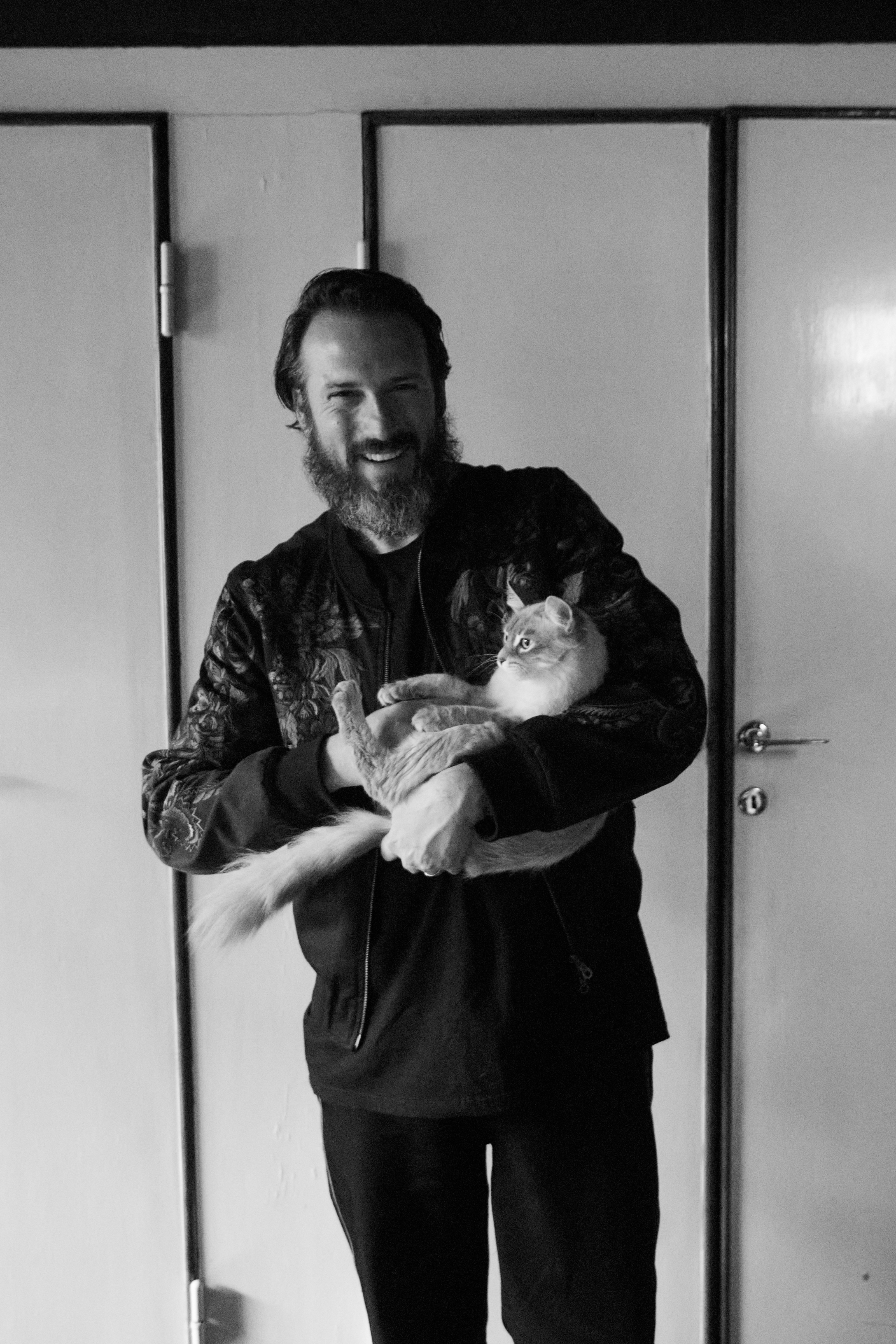
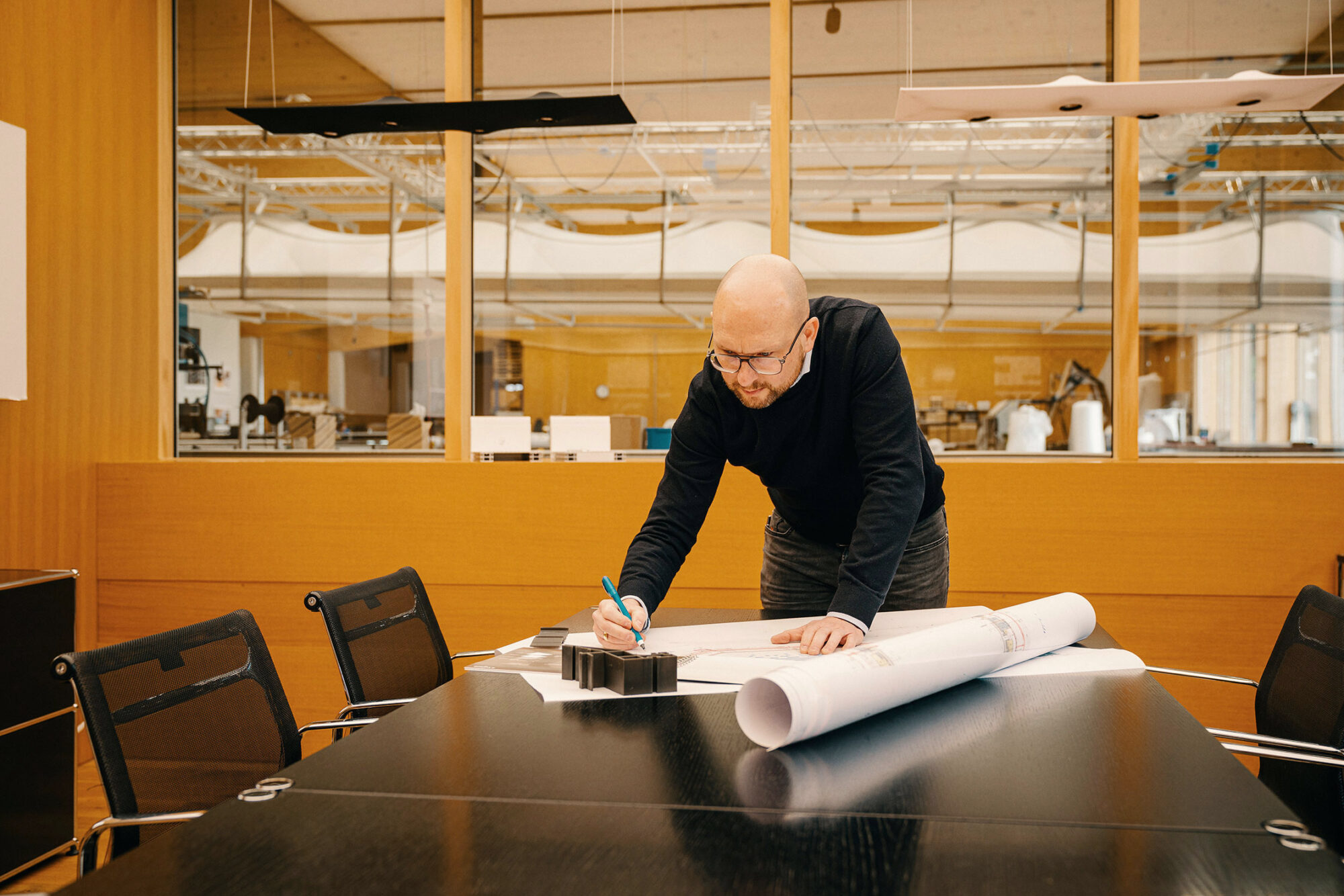
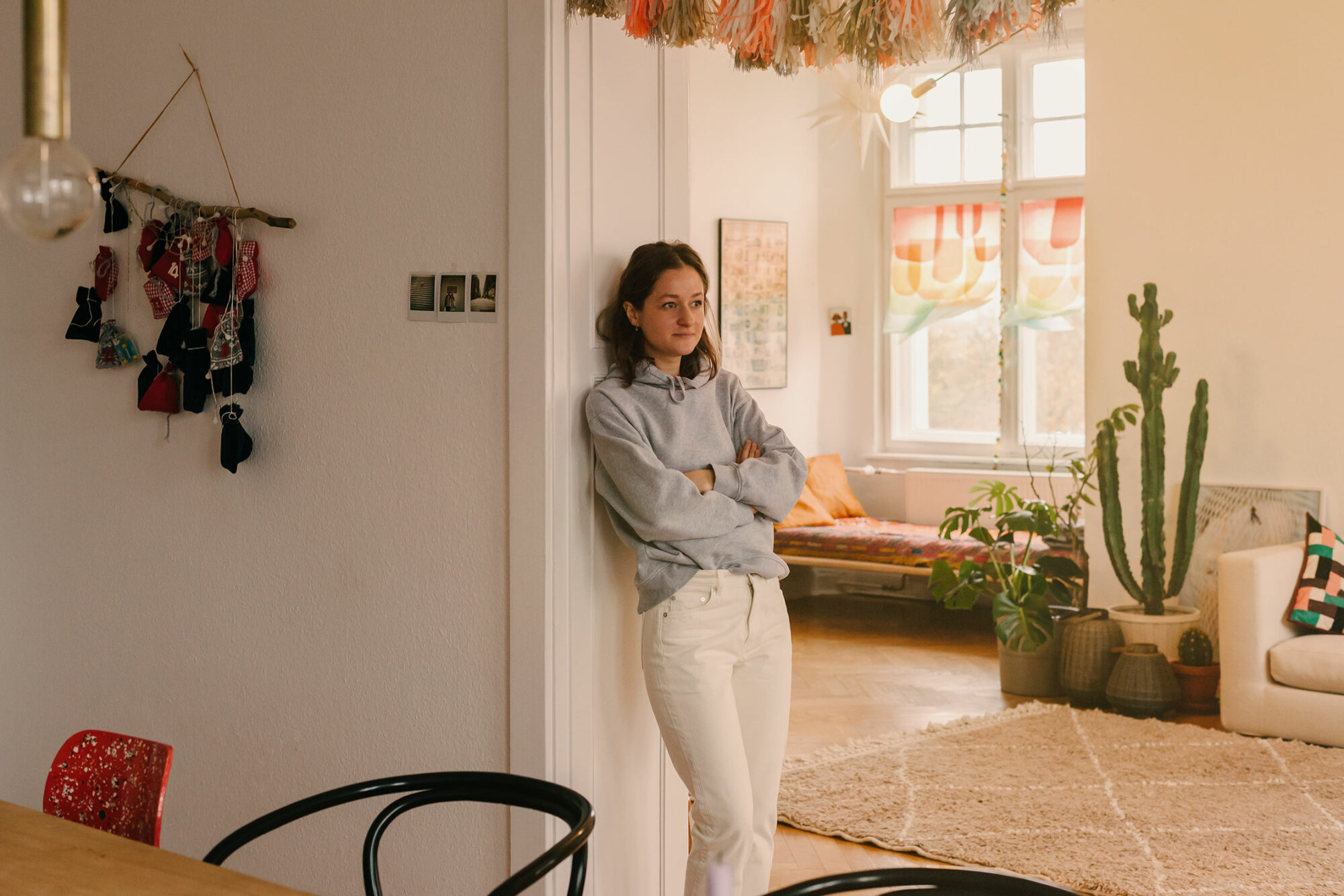
For interior designer Daniele Daminelli, creating a space is less about functional layout and more about composing a movie script. As the founder of Studio 2046 – named after the melancholy, retro-futuristic Wong Kar-wai film – Daniele orchestrates high-end, hyper-curated projects defined by visual friction, mixing raw industrial metals with historic textiles. Yet, far from the high-pressure social orbit of Milan, he has deliberately rooted his family and practice in the quiet town of Treviglio. In this intimate conversation, Daniele opens up about finding safety in darkness, the daily rituals that ground his creative spirit, and why the ultimate luxury is simply choosing to live well.


-
FvF
Daniele, you spend your days orchestrating highly demanding, hyper-curated interior projects – balancing custom upholstery, raw industrial metals, and intensive site management. When the dust settles and you need to reset your brain, what does your ultimate sensory decompression look like?
DanieleEvery day, at 5pm, I go to a place in Treviglio called Castel Cerreto, a bocciofila, where you play boccia. It’s a one hour walk, and once I’ve arrived, I love taking a drink, mostly a beer – a typical one from our country –, and eating something small – some cheese & ham, something local from the Bergamo area. Giulia, my wife, joins me almost every day – it’s our common ritual. Sometimes we have little arguments about work matters, but mostly it’s our time for ourselves, also to talk about our teenage kids.

-
FvF
If your home could speak – what would it say about you?
DanieleI hope it would speak well about me, about us. It’s a similar relationship to my relationship with my wife. I always try to treat my home well, and choose furniture that I think it would like. It’s almost like I’m in conversation with it all the time, like it’s got its own personality and soul that I’m simply translating for it.


-
FvF
Your work is defined by an incredibly sharp eye for visual friction — mixing lacquered surfaces, raw iron, and historic textiles. When you return home to your family, can you ever truly ‘turn off’ this hyper-attuned scanning?
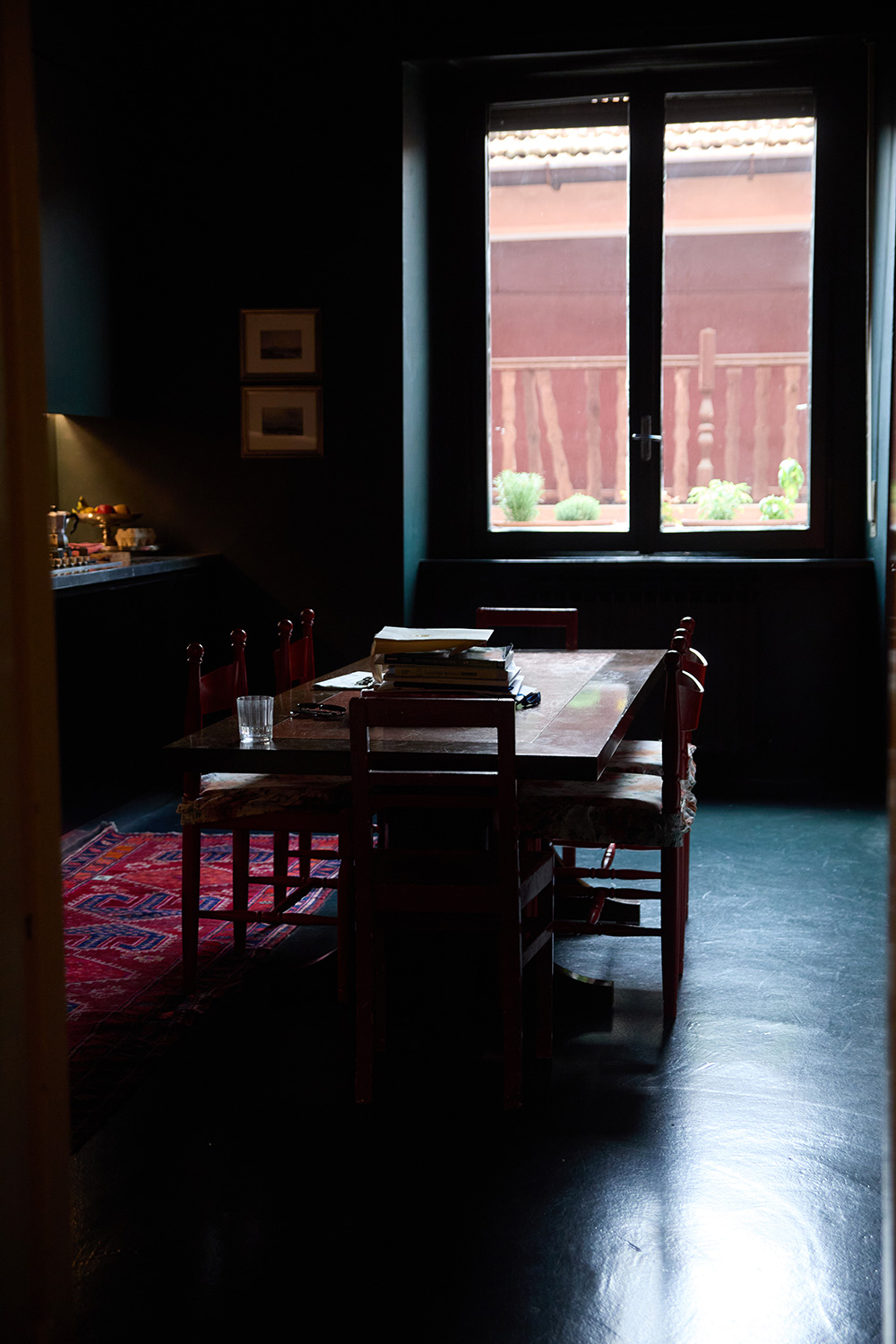
DanieleNo, I can’t possibly switch it off. I am always busy with curation, always searching for historical items – and our houses in Treviglio and Rovetta change all the time. Hideous spaces really disturb my eye, I don’t feel comfortable in what I consider ugly places. Simple, countryside places have a lot of beauty for me, too, like the bocciofila at Castel Cerreto.

-
FvF
The international design world often revolves entirely around the hyper-connected, high-pressure social network of Milan. You made a very deliberate choice to base both Studio 2046 and your family outside of that orbit, in Treviglio. How does this geographic distance reshape the way you work?
DanieleOf course, it’s great to be outside, particularly for our kids – it’s a great protection for our family. In Treviglio, everything is calm and peaceful, and we work with less pressure than in Milano. Of course, we go into town a lot. But for presenting projects, we always invite people here. It’s always a great experience, and clients often appreciate it a lot. We are lucky to be able to live here.


-
FvF
When you are at home resting, or also at work, what is the soundscape you seek out?
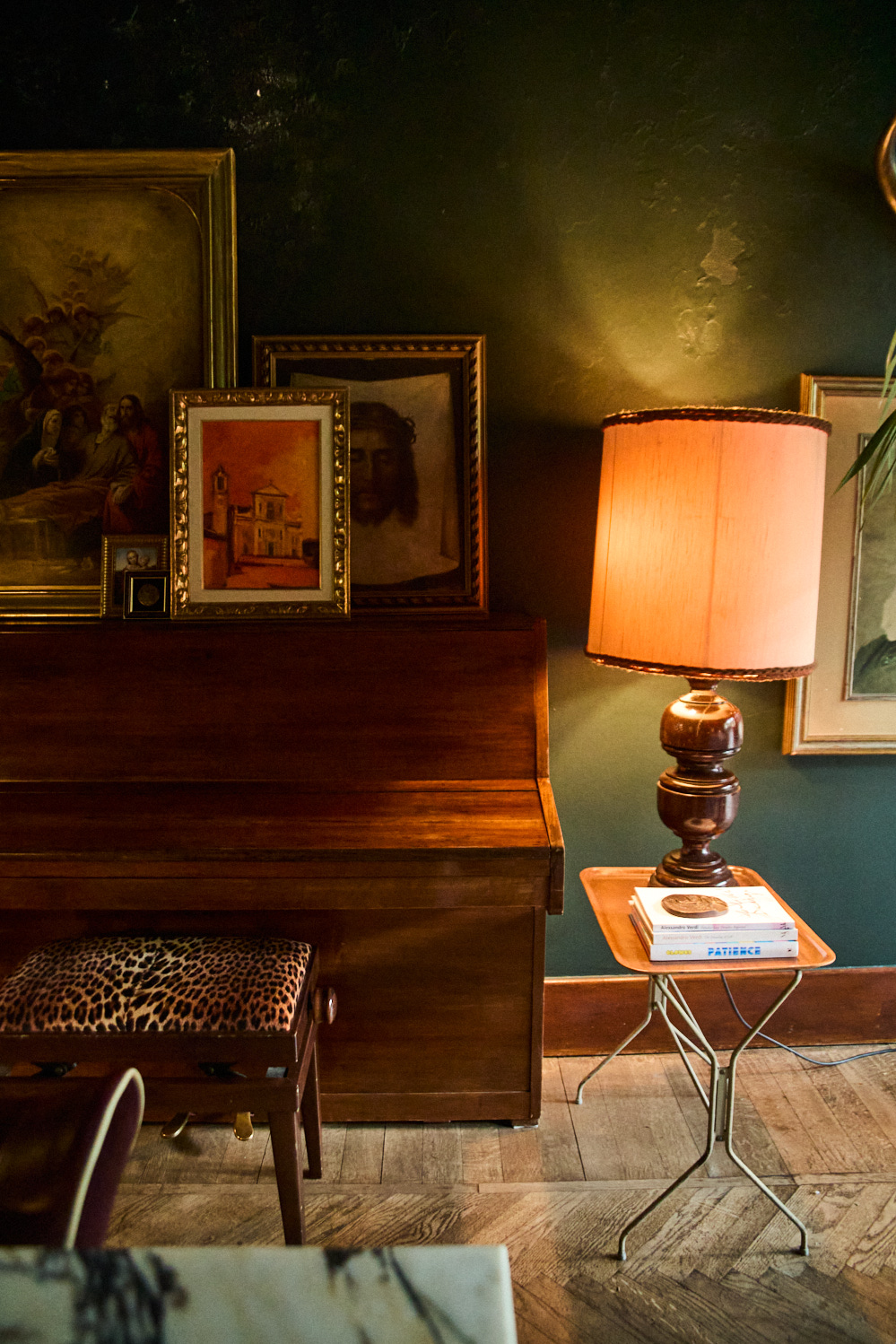
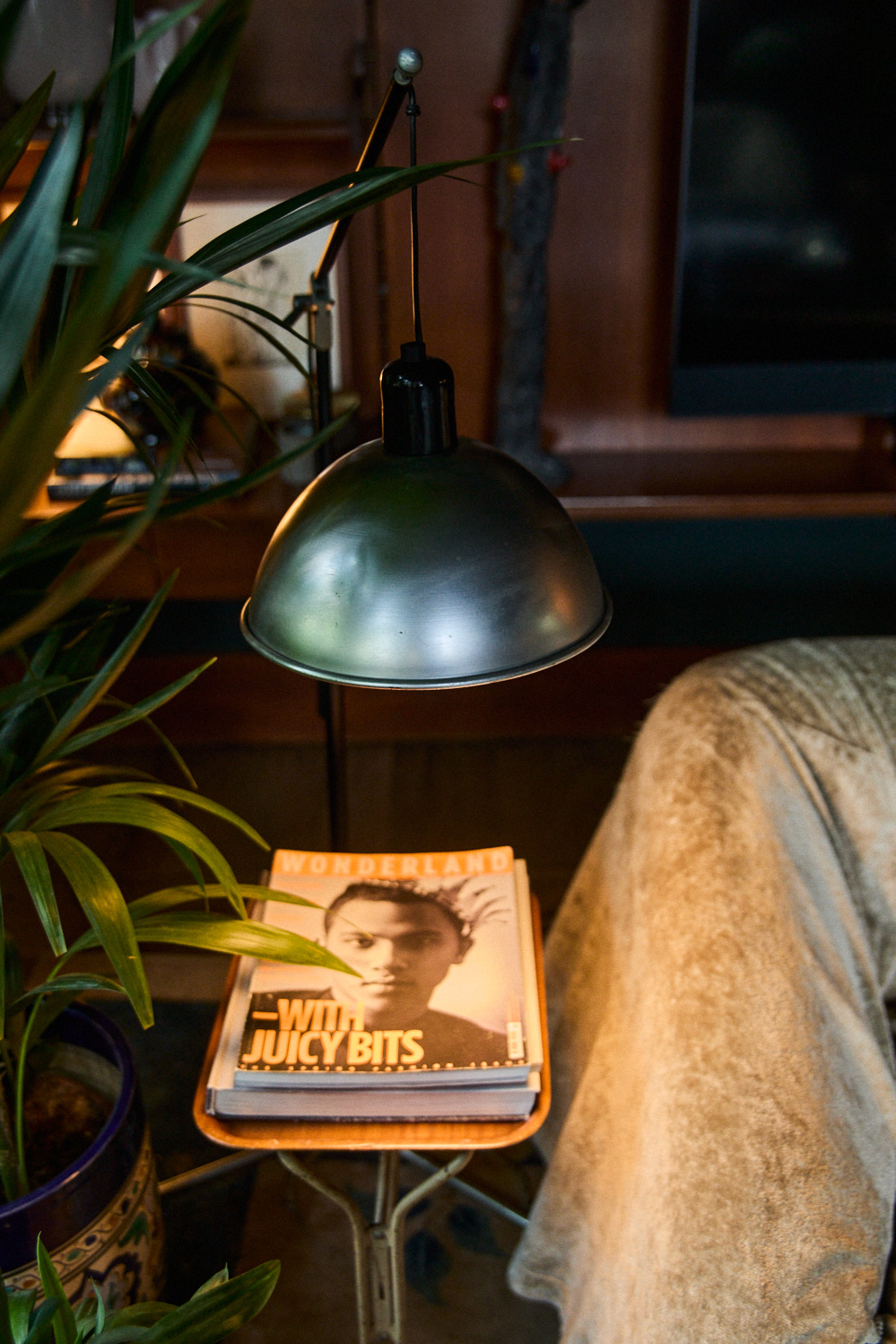
DanieleMusic is always on – it’s important to me. Here, in our studio, we always play music when we work: Mostly classical music, piano concertos, like Chopin. It sets the mood, in a very particular way. One of my preferred artists is Shigeru Umebayashi – he wrote the soundtrack of one of my all-time favourite movies “In the Mood for Love” by Wong Kar-wai, who of course also directed 2046 – the namesake of our Studio.
The music choices at home and at work are very similar, but sometimes Giulia and my son Giacomo do not agree and play their favourites – so be it.

-
FvF
As you just said, you named your studio after Wong Kar-wai’s film 2046, a movie saturated with memory, melancholy, and a retro-futuristic vision of tomorrow viewed from yesterday. When you are designing an interior, are you building a functional layout, or are you actually composing a movie script where the client is the main character?
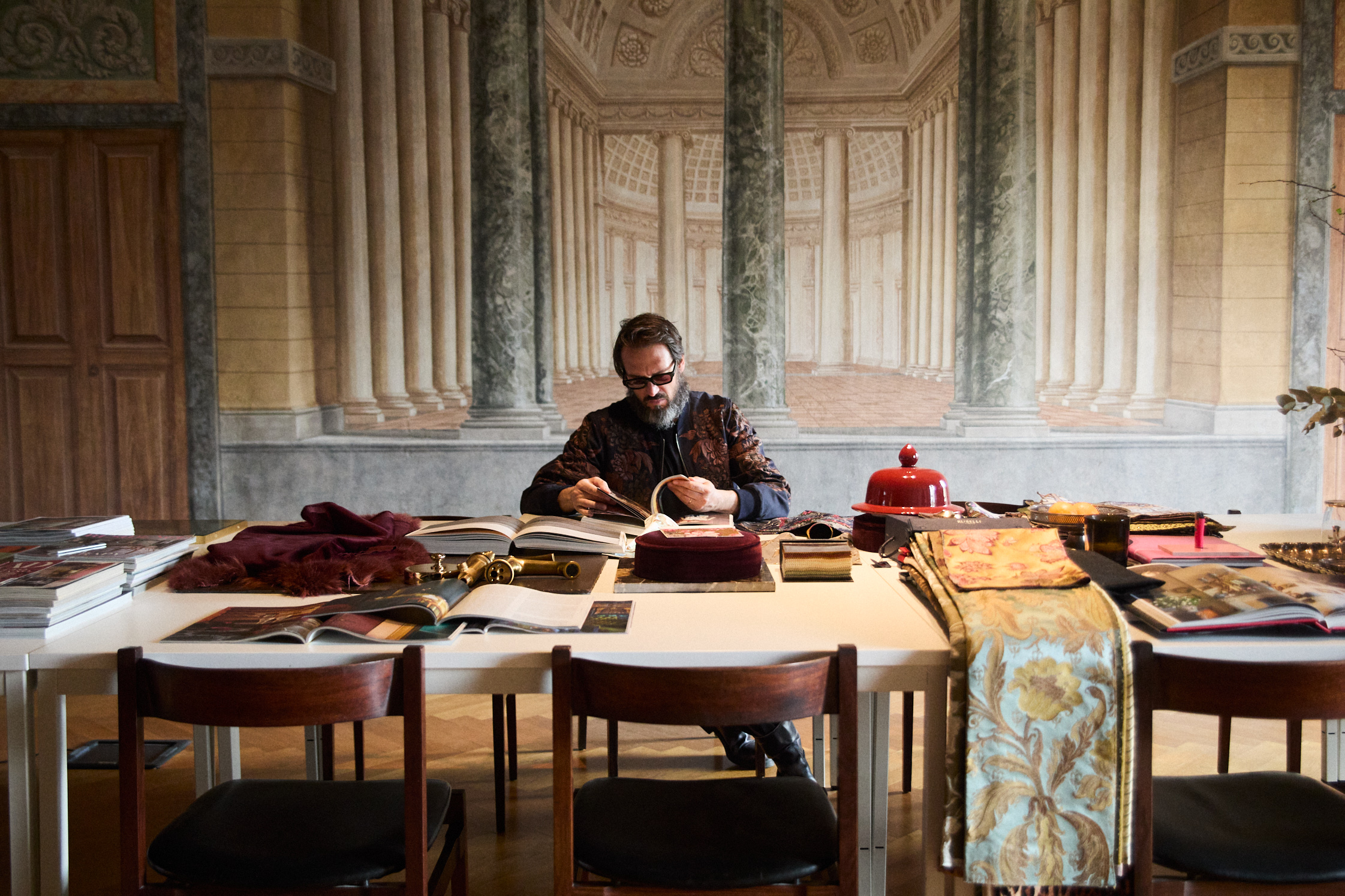
DanieleYes, my clients are like movie characters, and then my team has to add function (laughs). I use a lot of images from the film to construct my mood boards.
Let’s look at a recent example – a palace in Sicily we renovated for a London Business School Teacher. We always have lots of different meetings with our clients – this time, in order to give us the right instructions for the design phase, our client decided to have us over in Sicily for a few days, to show us what he likes and what he doesn’t like when it comes to restoration and renovation in the vicinity. We are very conservative in the restoration process, which is why he chose us in the first place. He then took us to places like the duomo of Noto, which was restored in a way that looks too new, and we got it. Having food together, in typical Italian manner, many lunches, is so important for the more personal side. And dinners, of course, sometimes until 2am. We often also ask clients for mood boards, but not from interiors, but rather from preferred movies, works of arts, things like that. It’s a process – and often feels like we’ve known each other for a long time at the end.


-
FvF
What is your relationship with the dark? While many people associate darkness with isolation or coldness, for you, it seems to be the ultimate comforting texture.
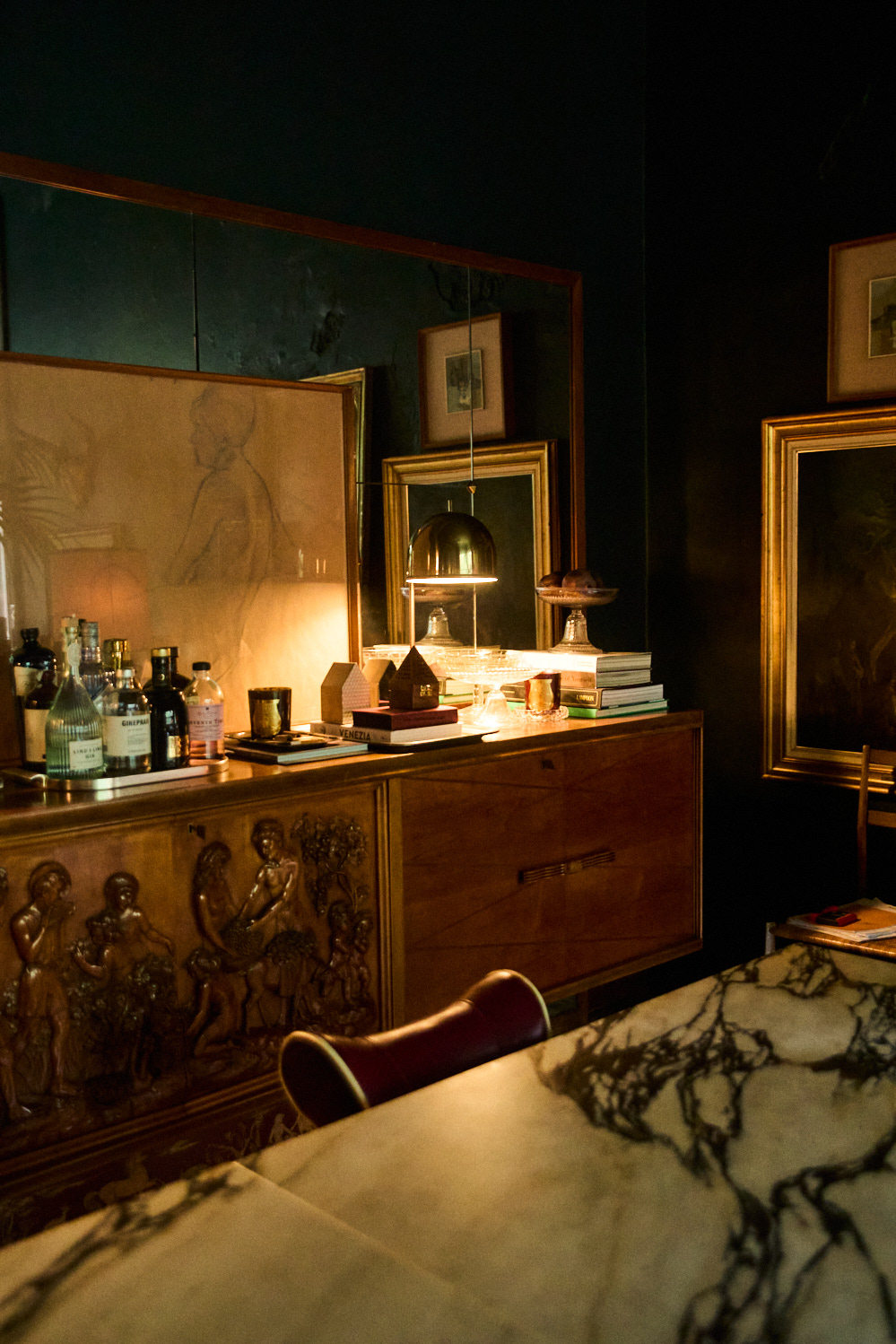
DanieleI feel much safer in darker places. (laughs) I love the work of Michelangelo and Caravaggio, the way they use chiaroscuro. I look at light as a sculpting material – dark creates the right atmosphere to use light in a proper way.

-
FvF
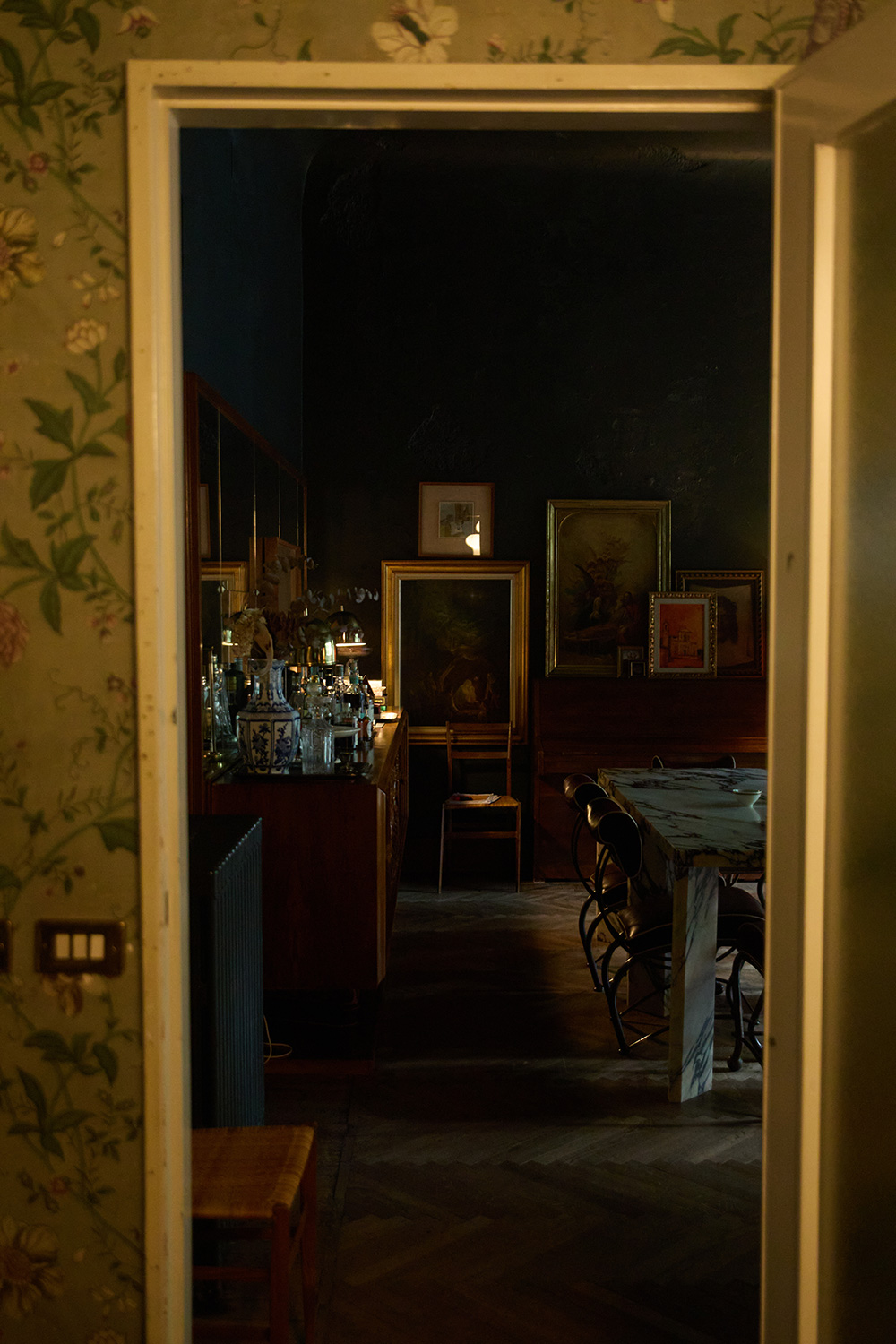
Your own home is set inside a 1930s building, a decade that marked a radical pivot in Italian architecture between classical heritage and modern industrialism. What is it about the specific gravity, the high ceilings, and the architectural psychology of the 1930s that feels personally necessary for you to inhabit, rather than a clean, contemporary white box?
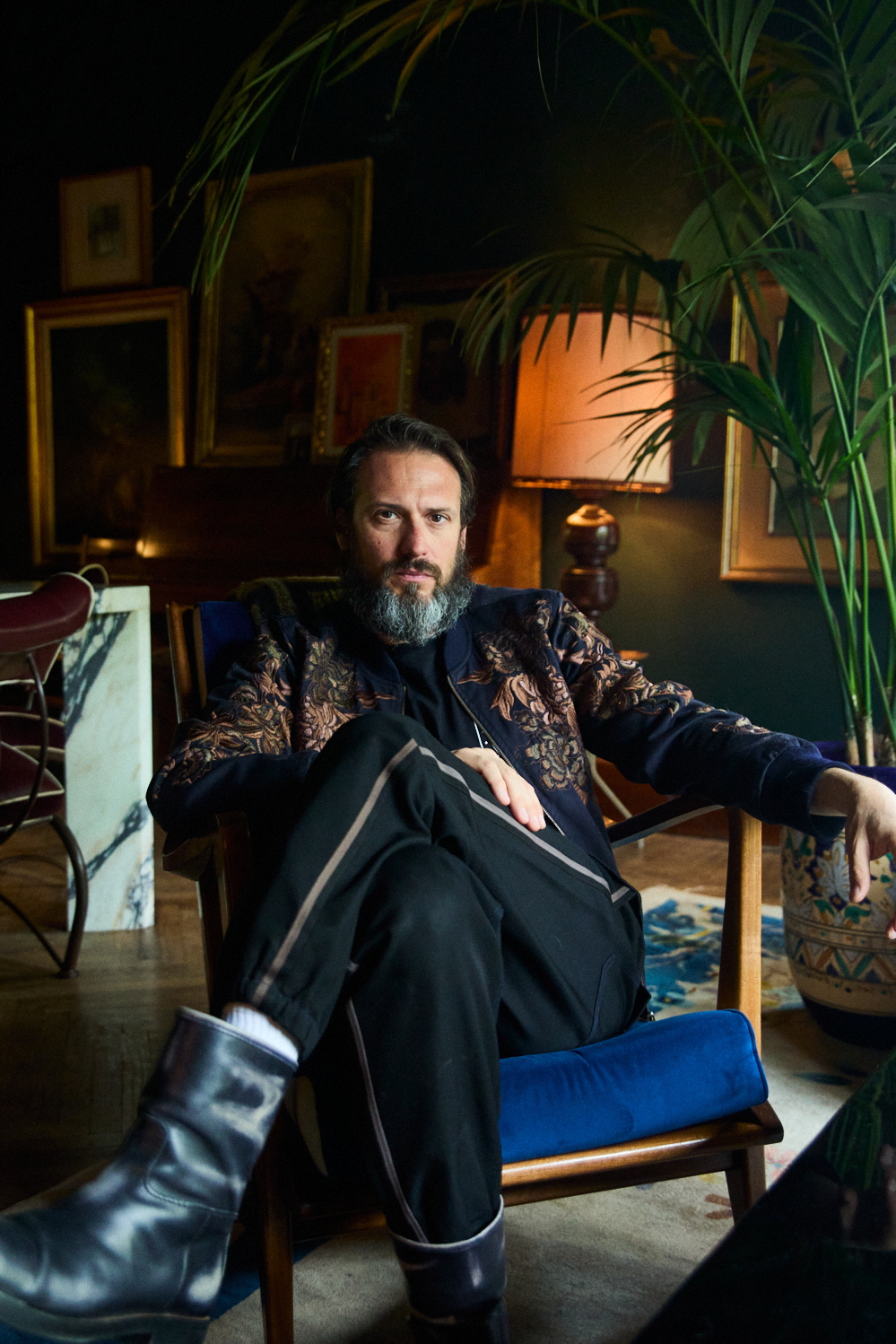
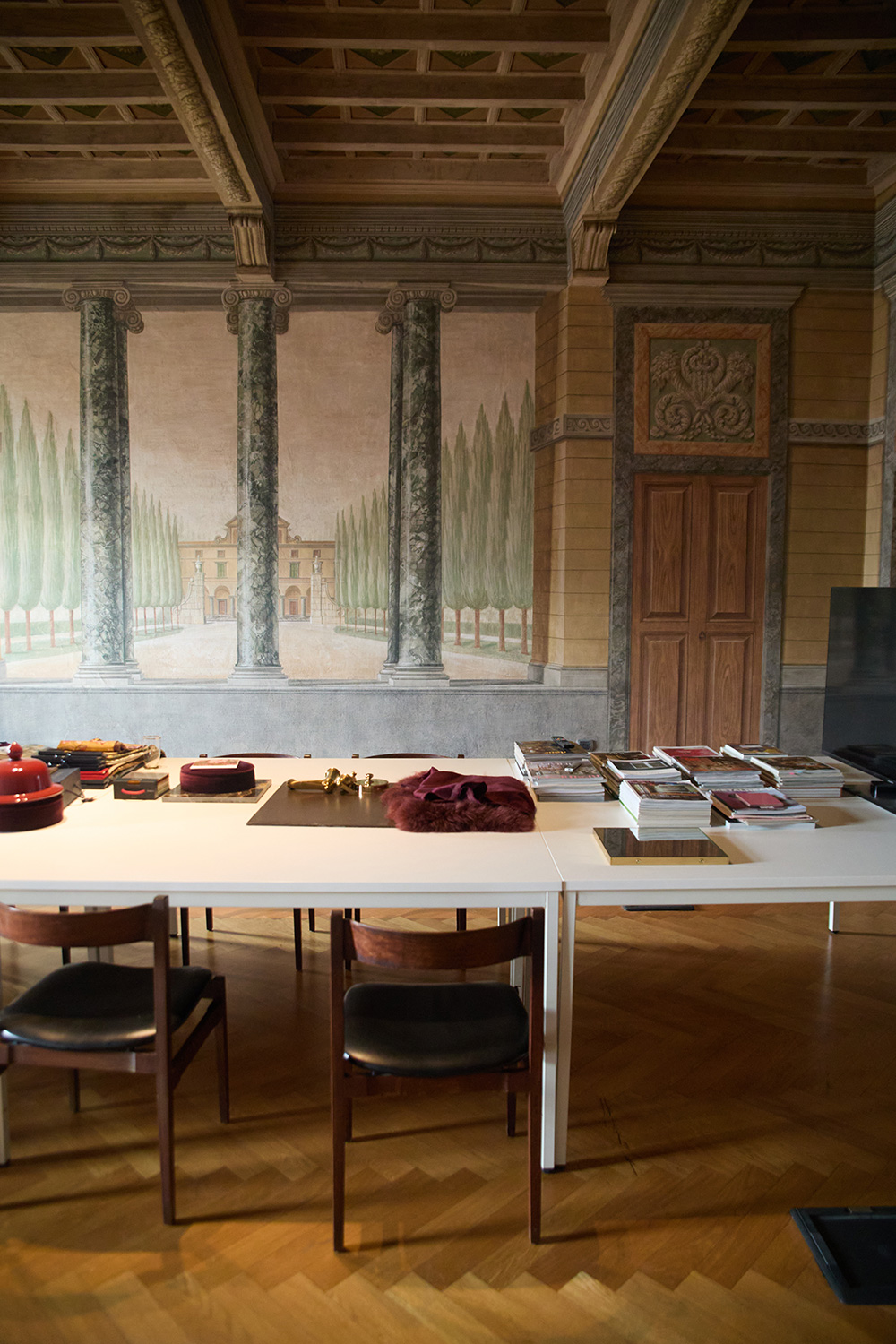
DanieleTo be honest, I can find something attractive in every period of architectural history, and I will always try to accentuate and highlight what I like about a particular place. I was searching for an apartment with particular features for my own home, and I fell in love with the plan of this apartment – and the beautiful window in the living room that creates a connection between the inside and the outside of the house. The choice of the dark green colour in the room was then to reflect the outside vegetation.

-
FvF
If you could have a long, undisturbed dinner conversation with any iconic creative figure, but the strict rule was you could not talk about their professional achievements or work, who would you choose, and what would you talk about instead?
DanielePhew, that’s so difficult. I would most probably choose a musician, maybe Freddie Mercury, or Kurt Cobain, or Michael Jackson, but then not talking about music would be impossible.
But then I would probably choose Carlo Mollino – again it would be almost impossible to not talk about work, given all the different things he worked on. But understanding him as a person, to properly grasp what made him do the things the way that he did them, would be most intriguing.


-
FvF
Carlo Mollino seems a massive influence – not just because of his radical furniture, but because he ‘loved design and loved life.’ How do you personally inject that Mollino-esque sense of joyful decadence, theater, and ‘living well’ into your daily routine?
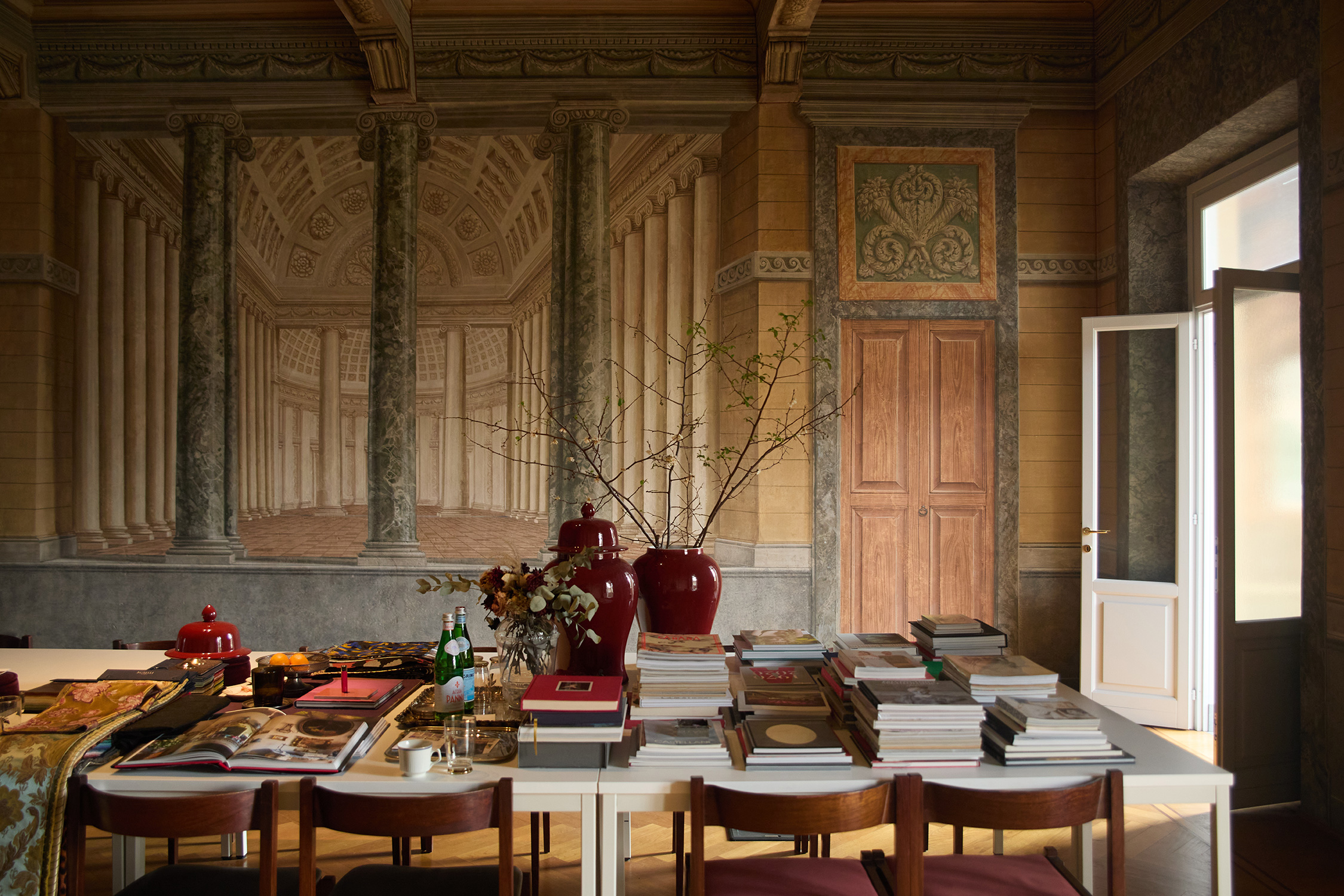
DanieleWhat links the two of us is the taste for beautiful things in all aspects of life. Living well – the way he saw it, and I see it now – is in the choices that we make every day. The big and the small things. Where to go for dinner, where to go on holidays. Living in Treviglio, and not in Milano, living well. Really well. And being conscious of it.


-
FvF
You have mastered the art of balancing highly contrasting eras and textures without letting the space look chaotic. What, in a purely technical or artistic sense, still genuinely challenges or frightens you?
DanieleIt’s always the business side of things. I hate that part of my work. And business in general. It’s really what makes the worlds of design and architecture worse. Now a lot of companies just give people simple answers, copy others, just do what people want, without proper research, proper design. As Italians, it’s part of our culture to design, to research, to find beauty – but also here, people are losing it more and more. That’s really something that frightens me.
The main challenge is to create a world that is not existing yet, made up of my research. A vision that the clients are not used to. And I am trying to give the client not what they have searched for, but something designed on the basis of the input of the client, but then adding more. It’s a very emotional process. The clients can’t imagine it before, that’s what I’m there for. I am the visionary who needs to translate the vision into something holistic, something bigger.