For the last few years, ambitious young chefs that traditionally would be following the path to Michelin stars, have been going rogue. They are rejecting the expected four-hour long chef menus, the truffle shavings, the Bordeaux-heavy wine lists and tables set with white tablecloths and silver desert forks. It’s a dynamic moment. Right now, in every city, the concept of fine dining is evolving in a thousand different ways. In part sparked during the epidemic, this movement has continued to evolve in reaction to social media, the economy, and the environment. In Berlin the restauranteur duo that is at the head of the charge of this culinary reawakening is Vancouver-born Jeff Claudio and Jessica Tan, originally from Australia, who are the partners behind the now year-old restaurant Stoke. FvF speaks to them about their philosophy and why for them fine dining should be “fun dining.”


-
FvF
First and foremost, how would you describe what Stoke is about?
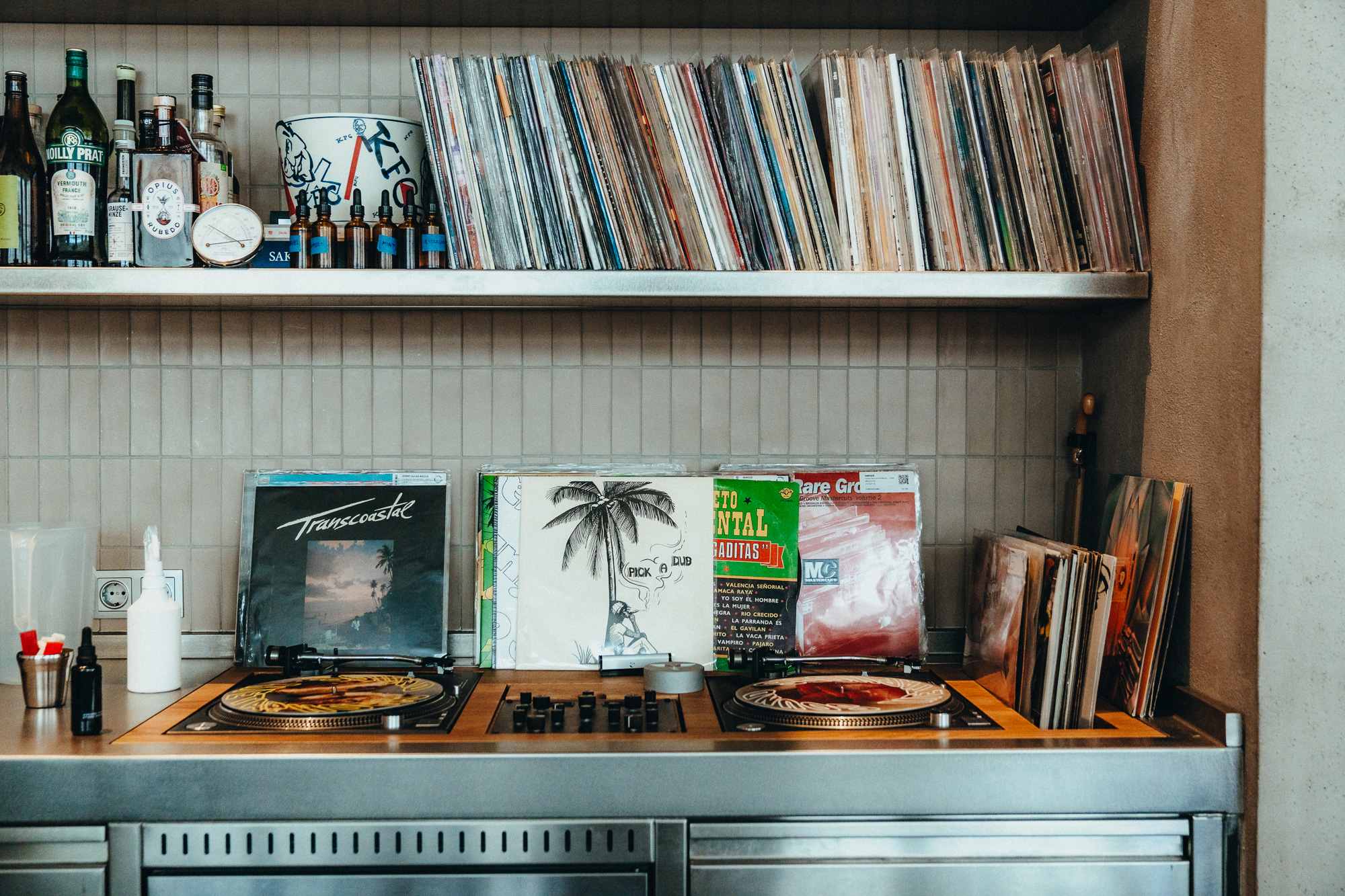
JeffIn a nutshell, Stoke Restaurant is a wood-fire yakitori-focused izakaya. But with a strong emphasis on hospitality. I want our guests to have a “holistic” experience. It’s not just the food; it’s the lighting, the music, and the vibe. If all that aligns, we’re happy. I feel a “panic mode” if I see a guest isn’t enjoying themselves because they only have a small window of time with us, and I want it to be a feel good moment.
JessEssentially, we wanted a space that is a home for the things that we feel passionate about. We wanted to have a platform where we can express ideas, approach work in a certain way, have a team that we work with in a certain way. And bring people together.
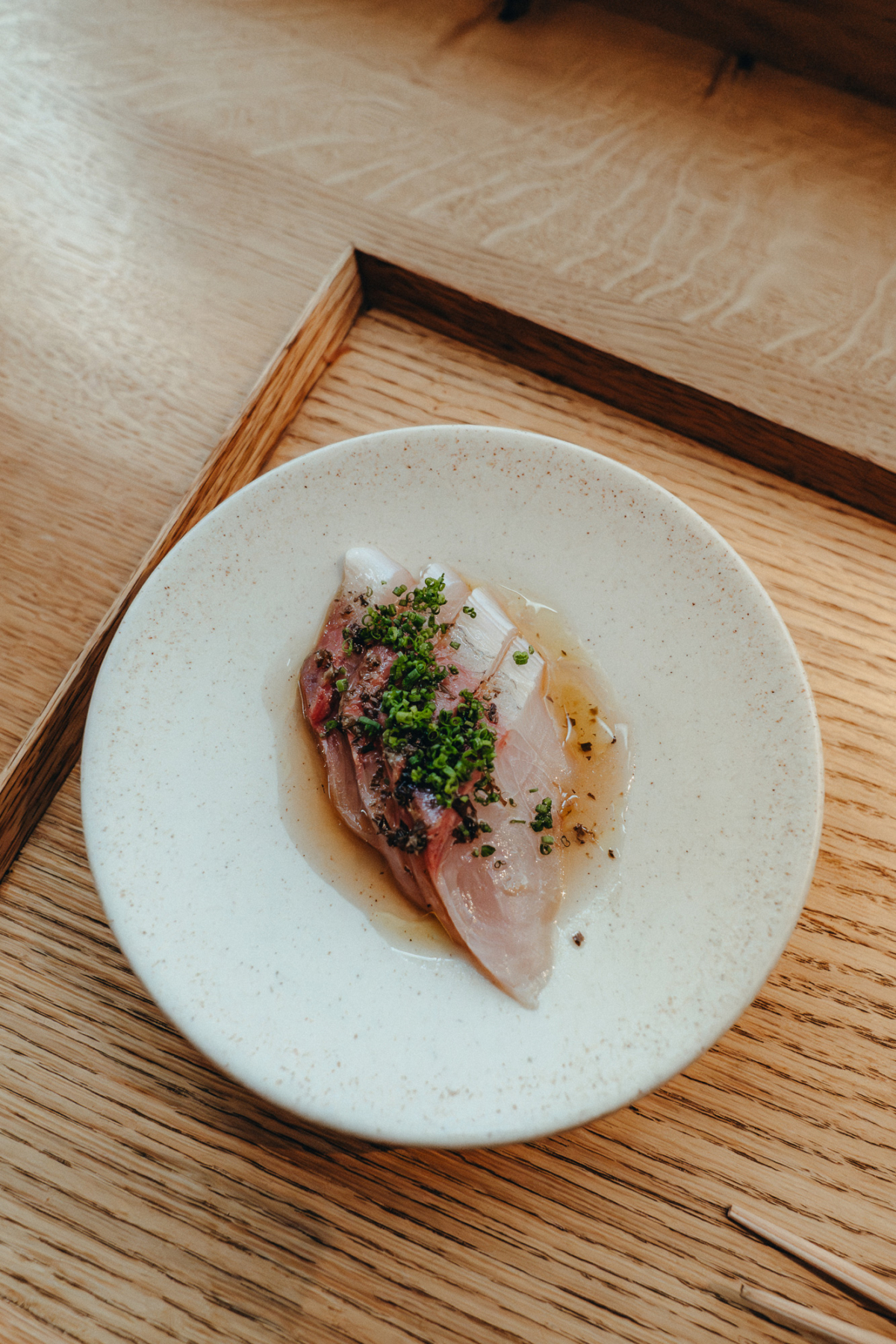
JeffIn terms of the food, we are essentially serving chicken on a stick, elevated, binchotan cooked yakitori. There is actually a whole lot of work, sourcing, knowledge and experience that goes into it. It’s very Japanese in its idea, celebrating the artisanal and the idea that the simplest thing can be the most beautiful thing.
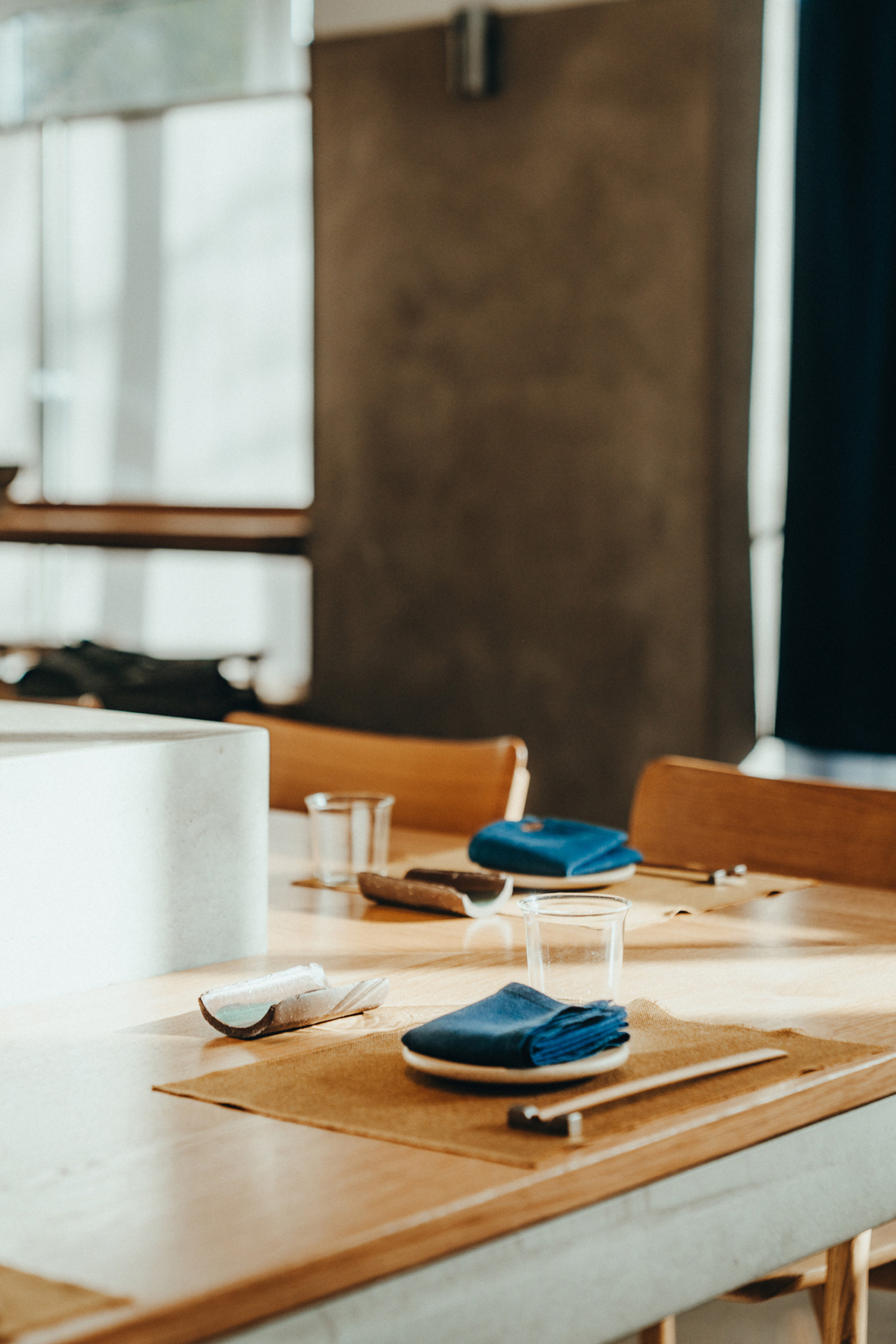
JessIs it just chicken? No! We are starting to introduce seafood depending on the season and different meat options. Our concentration is really grilling and wood fire cooking. Yakitori although common in Asia can be somewhat provocative in Europe because it’s a new concept here. But we just love beautiful things, and we like to come to work and chase this type of idea and share it. Even the design here at the restaurant reflects that. It’s all very simple but made from beautiful materials. And we are trying to communicate that without explaining it. Stoke is much more than what’s on the plate: the sound; the lighting; the drinks; being felt looked after.



-
FvF
How do you divide the work between the two of you?
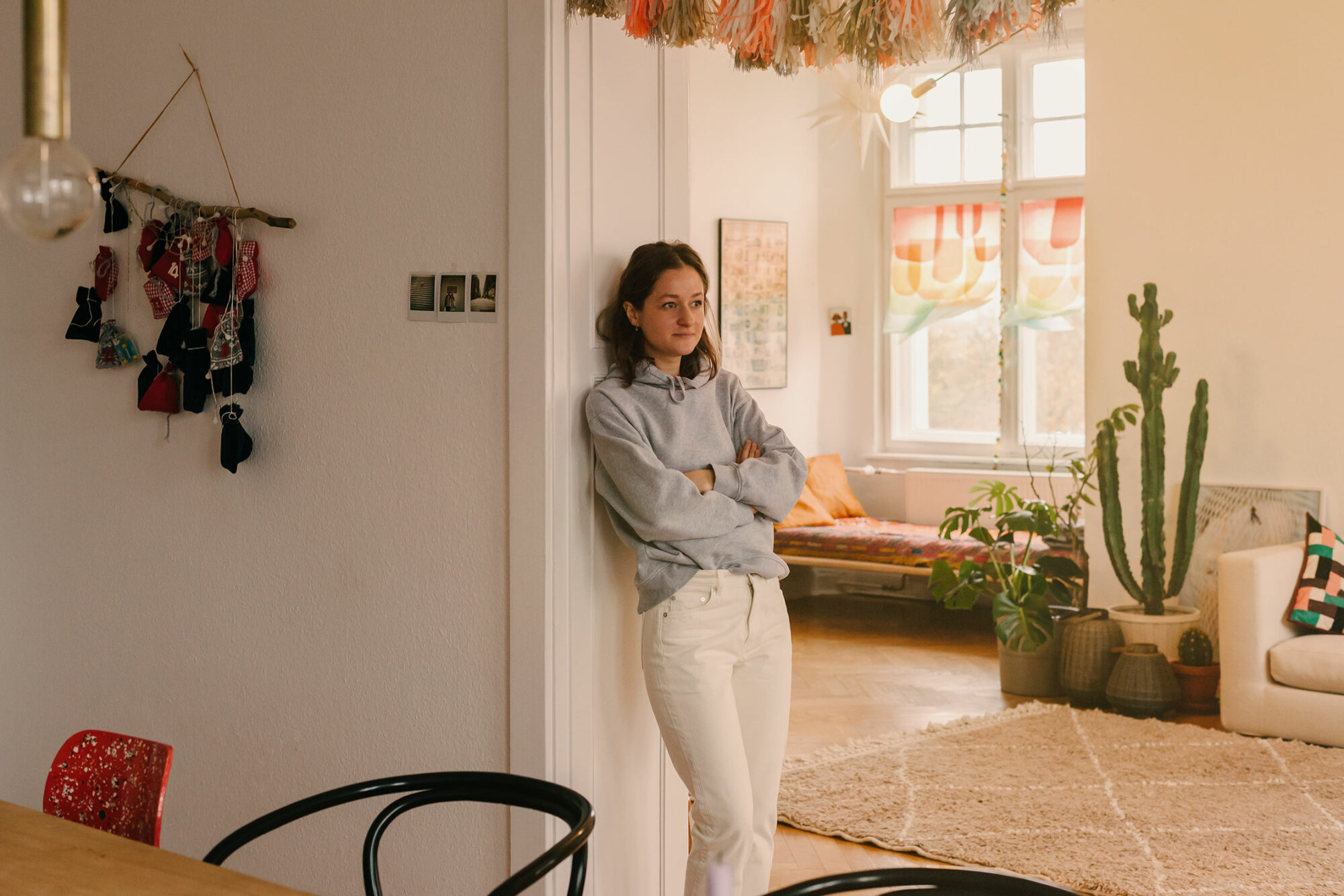
JessJeff concentrates on the kitchen and menu and creative direction of Stoke’s concept and I would say I am more operations and front of house, events and marketing. We have been together so much that we completely respect each other. We have each other’s back. We laugh a lot and crack up all the time.


-
FvF
How did you two meet?
JeffIt all happened in Australia. I really owe so much of whatever is happening now here at Stoke to that time I spent there working in Sydney in the mid 2000s and then later around 2011, 2012 when Jess and I met through friends of friends and the food scene. That was when I went to Sydney while living in Singapore and was working at Burnt Ends. And one night my friends were like hey, we have a friend who might join us. And when she arrived, I knew she was Filipino; we often can recognize each other from across the street. And we had an instant connection because we worked out that Jessica’s mother and my mother are actually from the same town close to the same streets. And chances are that if you are from the same area, you’re related.
JessSo, from that time we just called each other cousins. Even though we didn’t know for sure throughout the years we are like ‘Oh we are cousins.’
JeffExcept we often say pinsan, which means cousin in the Philippines, in the Tagalog language. And we kept in touch over the years. Crazy enough later when she moved to Copenhagen, she lived with my friend Kyumin who I knew from Toronto and who is one of the chef owners of Kadeau.


-
FvF
You say that it all happened in Australia. What else happened there for you in terms of your personal and career growth?
JeffIt was just such an incredible time when I was there. There was Mark Best, there was Tetsuya’s, then Neil Perry and Peter Gilmore and they were all coming up. There was Kylie Kwong when she was cooking at Billy Kwong, one of my favorite modern Chinese restaurants I loved going to. When I was working in Vancouver, I had a dream about working with Tetsuya Wakuda. It was like a quest for me, but when I got to Sydney, Tetsuya’s was full, no job vacancy for ages. It so happened that there was a spot at Rockpool, another restaurant that was doing great work overseen by Neil Perry. When I worked there the energy of the people and the kitchen was great. Neil Perry is a kind of trailblazer. I worked at the original location and then he opened up Rockpool Bar and Grill in Sydney which I helped him open and then Spice Temple, this modern Chinese restaurant in the vault of an old bank. It was a crazy experience. So many connections of mind heart and taste happened then in Australia.


-
FvF
What about you Jess? What formed your culinary career in Sydney?
JessIn Sydney you are just surrounded by so much amazing food, so many amazing restaurants. A lot of my friends were in the gastro community, and I always worked in hospitality whether at a bar or hosting at a restaurant as a second job because I love working with people. This was around 2011 and the first restaurant that really inspired me was Momofuku Seiobo which was opened that year by the American chef David Chang. I didn’t work there but I went there and I was inspired. By the type of cooking, the type of wines they had and the service. I thought wow I really like this place especially because it was kind of glorifying Asian food. When I was a kid, as an Asian, you weren’t necessary really proud of it. But David Chang was one of the first to talk about and serve up the food he grew up with in his Asian household. I just really resonated with that.



-
FvF
Looking back now, what other experiences really shaped you both and helped you to conceive of Stoke?
JeffIn 2011, sometime after working at Per Se in New York, I started up a place in Toronto: a really shabby looking bar, restaurant that, you know, wasn’t nice to sit in, completely barren inside, not much décor, called Yours Truly. It was very much inspired by the bistronomy movement happened in other parts of the world, like Contra in New York, Relæ in Copenhagen, you know, Chateaubriand in Paris. We did a daily four-course prix fixe menu that we charged about $45 for meat, and $35 for vegetarian. It was wildly successful. But I was finding myself becoming more unhappy. I think it was all part of being young and not knowing how to deal when success comes your way and everything moves at like 100 miles an hour with a busy restaurant: the drinking, going out. After two years I moved to London and worked with Nuno Mendes at Viajante. That was the greatest time. Nuno radiated such warmth and positivity and a kind of youthfulness in how he approaches everything. He’s the same today. He gets excited about new ingredients or being with people and there’s no hierarchy in the kitchen and that was amazing. So, it taught me to have this more human way of working. He’s one of the greats. I told myself then that when I have a restaurant, I want to be like Nuno. Be more like Nuno, really. After that the opportunity to move to Asia happened and to work as head chef at Burnt Ends under chef Dave Pynt. Working with Dave was just gritting it out, working hard. But it was very cool, I had never worked so directly at a kitchen counter. With Dave I learnt about that it’s all about when you have conviction and tunnel vision, it doesn’t matter where you are. At the time, I think there was so many things stacked against Dave. But Burnt Ends erupted and he showed that with his influence and his push, you can do this in Singapore. Burnt Ends is about honesty, simplicity, direct flavors, and really about trusting your instincts and gut when it comes to how food is made. Everything there is all cooked to order.
JessMy real school of knocks happened in Copenhagen. My sister lives in Norway and I was in a time of my life when I didn’t know what I was going to do next and she was like ‘Why don’t you move here?’ So I went to visit Copenhagen and went to Relæ and Baest and Manfreds. And I was like Oh wow this is really cool. I’d like to work here one day. I started to work for Christian Puglisi, the former former sous-chef of noma who left noma and started this whole movement where he was like “Fuck the white tablecloth and let’s make it a bit more loud a little bit more rock and roll but still use amazing produce. That was a point in the city that there was a lot of community building happening and a whole bunch of chefs and service people who trained at Noma kind of spread around Copenhagen and started to do their own thing. I worked for him for four and a half years, then I moved to Berlin. I actually moved here to work with Jeff on this project.




-
FvF
Why did you decide to do your next project in Berlin?
JeffI met a friend who was visiting and Niklas Harmsen joined, not knowing he would be my future business partner. His family has been here a while and we got to talking and he said “if you need help with anything, opening something, let’s keep talking. Jess joined our chats and then we started to look for a site. We spent a lot of time doing that but in a way the site eventually found us.
JessYeah, when we walked in here, we were just like this is it. We just had that feeling.
JeffBut we didn’t know how much trouble this would be to actually make this happen. To get the permissions. Every day were just compiling all these ideas and were unable to put them into play. In the end it took about four and a half years to get Stoke going. I think a lot of people think Berlin is this place where you can just be free. People think, “Oh, I’ll just open a place and it’ll be cool.” No, it’s actually a lot of grit and persistence involved to push through all the speed bumps along the way.
JessThe good thing about Berlin is that there is space. In a way there is more creative freedom here to do what we want to do, it didn’t feel oversaturated with restaurant concepts. If we had opened in a bigger city like London or NYC it’s unclear how much impact, we would have had. Berlin feels raw still. Also, it is a bit of a challenge. Our concept felt new to people and I find that refreshing. Berlin in some ways is still divided. But rather than east and west, it’s locals of a certain age and international and younger crowd. We struggle to get the local 50 to 60 years old crowd to understand what we’re doing. They are like it “This is just a chicken on a stick. What’s the fuss about and why am I paying so much for it?



-
FvF
How would you describe your version of fine dining in the context of this moment in time?
JeffIt’s about creating a “holistic” experience. We want our guests to feel great from the moment they walk in. They have a limited block of two or two and a half hours with us, and I feel a panic mode if I see someone isn’t enjoying themselves. I want everyone who comes here to feel great. The goal is to make them feel as comfortable as possible. It should be fun dining, not fine dining.
JessYes! Fun dining! We want to create a dining experience that is very personal. It’s about hospitality that isn’t stiff. If a guest wants to engage and learn about the natural wine or the produce, we are there for them, but if they want their own space, we respect that too. For us, success is when the team feels good and the details are getting done. We spend very little time thinking about ourselves when we are in the restaurant; our focus is entirely on the guest and the community we are building. We love that we have such cool regulars from the film and fashion and music industry that sometimes come back every month. It makes me so happy when one of them says I love being at Stoke. That is the kind of feeling we want to give to people.